
The US military rely on graphite components to enhance the functionality of weapon systems, including artillery and missile systems. Graphite is used for its thermal management, electrical conductivity and resistance to high pressures and temperatures.
Also, the Army uses graphite flakes as obscurants to detect radars and infrared sources. The flakes are released from ground-based systems that mechanically disperse bulk powders into the atmosphere (Lundy and Eaton 1994). Because of their aerodynamic shapes, air-dispersed powders can travel long distances. Surface deposition at the near-source depends on local conditions.
Graphite has a wide range of applications in nuclear reactors, including as a modulator and reflector. The neutron reaction of graphite allows the material to absorb other radioactive or fission-related materials, which might be released in the atmosphere and cause harm to environmental conditions. Other features in the reactor core include fuel sleeves and cooling lines.
Recycling is used to produce the majority of the graphite that goes into nuclear reactors. The old electrode can often be reused to create new electrodes after a replacement. The graphite flake can also be recovered from lathe and manufacturing scrap that is discarded after the job has been completed.
The military also uses isomolded blocks of graphite for electrodes used in electric discharge machining. In a recent report by the Hague Centre for Strategic Studies, natural graphite (also known as "graphite powder") and aluminum were listed among the 40 materials that are considered to be essential to the defense industry. However, the absence of geographical diversification in the supply chain poses significant security risks.
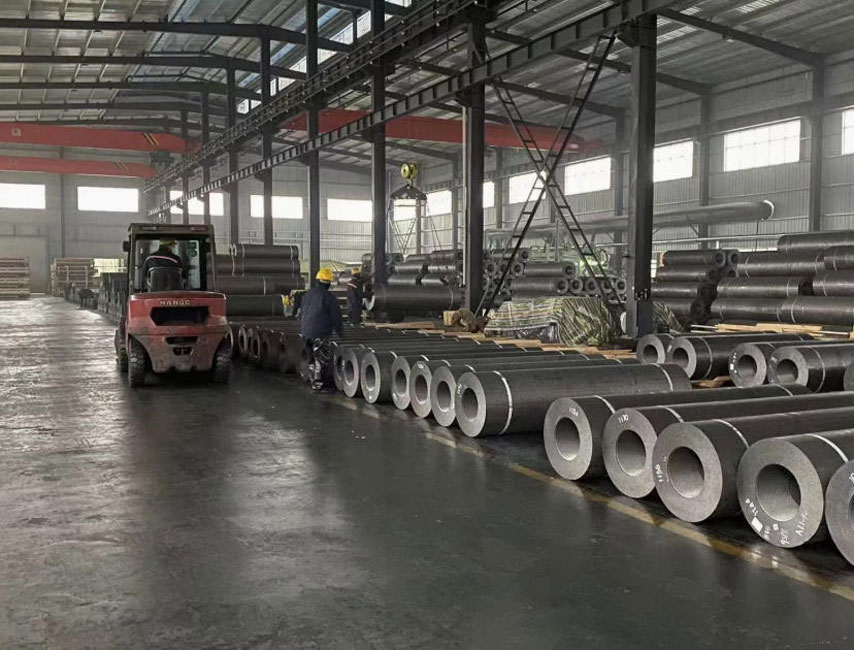
Defense Logistics Agency (which manages the National Defense Stockpile) is searching domestically for isomolded graphite in order to manufacture critical military equipment within the United States. The Defense Logistics Agency recently classified graphite material as "high-risk", which could lead to critical shortages in the case of a global geopolitical event that caused a disruption of foreign exports.
As well as its role in military structures, graphite can also be used to lubricate and is an electrode when electrical discharge machining. Its chemical composition allows it to retain its structural integrity even under extreme temperatures and pressure, which makes it an excellent material for high-performance rocket and missile nozzles.
Graphite particles behave like carbon-based industrial powders, with low bioactivity in vivo or in vitro. It is unlikely that these dusts will cause lung diseases except in overload situations. Based on the available evidence, the EEGL subcommittee has recommended that exposure to graphite for 15 min not result in a lung burden sufficient to overload particle-clearance mechanisms, and that this threshold be set at approximately 880 mg/m3. Acute inhalation trials have shown that natural graphite levels in rat lungs were below the LC50 for titanium dioxide (talc), carbon black and talc after a 4 hour inhalation.

 English
Write a Message