
Graphite electrode is an essential raw material for electric arc furnace steelmaking (EAF) and metal smelting. It is currently the only product that can sustain the level of heat produced in EAF.
It is also used for crucibles and binders, ingot molds and ladles, and castings of metals, as well as electrodes for electrical discharge machining (EDM). In addition to steelmaking, it is used as a refractory material and in manufacturing lithium-ion batteries (LIB). It also forms an important component in automotive lithium-ion batterie.
The global consumption, as well as the distribution, of these four main graphite materials, is affected by many factors. These include market demand and energy costs. Environmental regulations are also a factor. As an example, electrode production and health trends in the steel industry are directly influenced by construction and auto production. All of these factors can impact the supply and price for graphite.
A key benefit of graphite is its excellent thermal conductivity, which allows it to transfer heat quickly to the molten metal in the electric arc furnace. As a result, the EAF refractory components are not subjected to as much thermal stress. This also allows the electrode to be used longer and reduces the need for replacement.
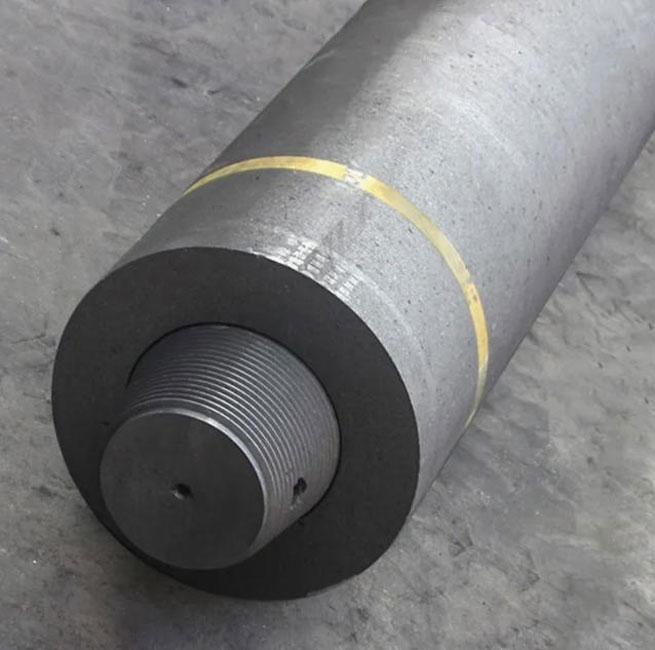
However, the surface of the graphite electrode is highly reactive and susceptible to oxidation in high temperatures. This may lead to the spalling of electrode surfaces, with open and falling block. To avoid this, the surface of the electrode is coated with a chemical that prevents oxidation and extends its service life.
These coatings consist of petroleum coke (or needle coke) or coal pitch. They can be produced using different methods including extrusions and baking. This carbonaceous material releases harmful gasses and dusts in the atmosphere, and therefore requires strict environmental measures.
The electrodes must also be made using high energy. It can lead to high production costs, and questions are raised about whether this technology is sustainable. Determining how to improve the performance of these electrodes is a key goal. For example, by using pyrrole-3-carboxylic acid modified pencil graphite, it is possible to make an amorphous, low temperature carbon material that has significantly improved electrode properties and can be produced at a lower cost. It could reduce the demand for graphite electrodes, and support LIB and sustainable steelmaking. More research and developments will likely be devoted to developing better replacements for graphite. For this to happen, different disciplines are needed, like chemical engineering, material science, metallurgy. In addition, it's important to determine how alternative technologies affect the economics as well as the safety of production of graphite electrodes. It will be necessary to use advanced modeling tools, such as life cycle assessment and multi-criteria analyses.

 English
Write a Message