
High-quality Petroleum Coke steel production is a very difficult task. It requires a great deal of time, energy, and effort to produce the best quality steel from raw materials. The process starts by extracting the raw materials from the ground, and then transporting them to oil refineries. From there, the raw materials undergo a series of steps and chemical reactions to transform them into different products. These processes include thermal cracking, catalytic cracking, cooking, deasphalting, and hydroprocessing (Speight, 2014). Petroleum coke is a solid carbonaceous residue left after the destructive distillation of heavy petroleum residua. It has a high carbon content, some hydrogen, and traces of sulfur and nitrogen. It is typically gray to black in color and has a honeycomb appearance. The physical properties of petroleum coke make it a desirable fuel for the production of steel and other thermal applications.
Petroleum coke has a high heat value and low ash content, making it a good alternative to coal for generating electricity. It can be used alone or blended with other fuels in conventional cyclone, PC, and fluidized bed boilers. It can also be gasified in a fluidized bed reactor to produce petroleum coke gas (PCG). PCG has a very high heat value, and is an excellent substitute for natural gas in steam generation systems. It is also a viable replacement for petroleum fuel oils in coke ovens and other industrial furnaces.
The most useful applications of petroleum coke are in the production of carbon anodes for the aluminum industry, graphite electrodes for steel-making, and fuel in solid fuel power plants to generate electricity. The coke produced from petroleum refining is generally called “fuel-grade.” It is less expensive than coke that is used for carbon anodes and graphite electrodes because it is lower in sulfur content and metals.
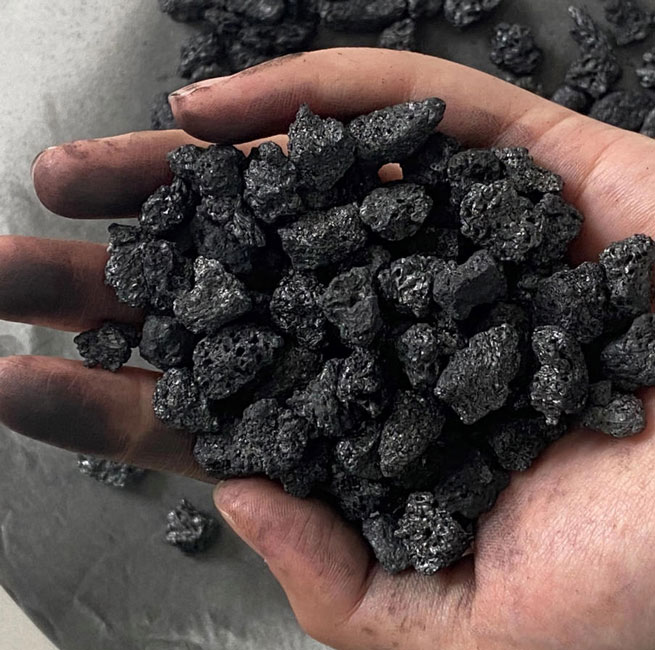
Metallurgical coke is commonly combined with coal in the production of steel to improve its properties. This is a practice that has been ongoing for several decades. The addition of petroleum coke reduces the reactivity of the coal to CO2 during the coking process, and it also produces a superior product with lower sulpur concentrations and higher mechanical strength compared to steel made from pure coal.
Another application of petroleum coke is in the production of recarburizers for the iron and steel industry. The recarburizers are used to remove impurities and raise the melting point of the iron, which is essential for making better quality steel. The addition of recarburizers can increase the efficiency of iron and steel producers by lowering the operating temperatures in coking ovens, which saves energy and reduces environmental emissions. Additionally, recarburizers can help reduce the sulfur content of steel to comply with EPA emissions regulations. In addition, recarburizers can also improve the ductility of steel to help achieve high strength, toughness, and corrosion resistance in end products. This is a beneficial feature in the production of steel for automotive and aerospace applications. As a result, the demand for recarburizers is increasing.

 English
Write a Message