
Petroleum Coke is a solid byproduct of the oil refining process, and it can be used for a variety of purposes in the steel industry. It has low ash content and high calorific value, making it a useful alternative to coal for power generation and other industrial processes. However, there are some environmental concerns associated with the use of petroleum coke, which need to be taken into consideration when using it in industrial applications.
The main uses of Petroleum Coke in the steel industry include the production of graphite electrodes and as an energy source. Unlike fossil fuels like coal, pet coke has a low sulphur and nitrogen content, making it safer for the environment. It also has a lower carbon content, which helps reduce greenhouse gas emissions and air pollution. In addition, petroleum coke is less expensive than other fossil fuels, which makes it a more cost-effective alternative to power generation.
Depending on its production method and impurities, pet coke can have different properties. For example, calcined pet coke has a high density, while the density of raw pet coke is low. The density of pet coke is important because it affects its ability to be transported and stored. It also determines its adsorption performance and reaction activity. The pore structure of pet coke can also influence its adsorption ability and interaction with other materials. For example, if pet coke has a high sulfur content, it will need to be treated or refined in order to meet certain standards.
In the steel industry, calcined petroleum coke is used to make graphite electrodes. These are essential in the electrolysis process, which converts alumina into aluminum. The electrodes produced from calcined petroleum coke are high-quality and have many advantages, including excellent conductivity, thermal stability, and purity. The quality of the electrodes depends on the quality of the calcined petroleum coke, which is why the industry pays close attention to the quality and purity of this material.
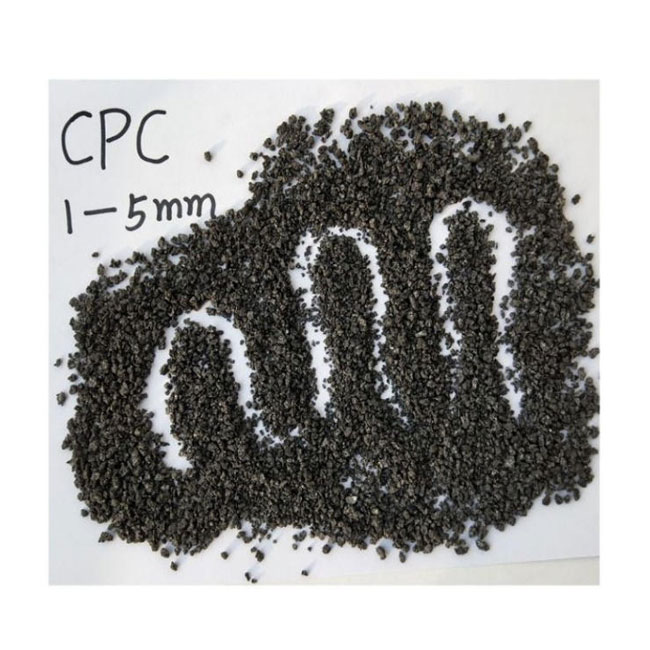
The other major use of petcoke in the steel industry is as a fuel for power generation. It is a cheap and abundant resource that can be used as an alternative to fossil fuels such as coal. However, the burning of pet coke can produce dust and sulfur dioxide, so it is necessary to have proper equipment for treating these pollutants. In addition, the price of pet coke can fluctuate and may impact the power generation industry's decisions. Regardless of its usage, it is important to test pet coke regularly to ensure that metal and sulfur concentrations are low enough to protect industrial equipment from corrosion and to reduce greenhouse gases. To do this, a number of testing methods are available. Testing allows companies to sell quality pet coke that meets the needs of their customers while ensuring compliance with regulations and industry standards.

 English
Write a Message