Steel industry demand for graphite electrodes is expected to accelerate with the shift towards electric arc furnace (EAF) steelmaking. The EAF technology is considered more environmentally sustainable and aligns with global efforts to reduce carbon emissions.
Market players are investing in product innovation, capacity expansion, strategic partnerships, and acquisitions to enhance their market presence. Companies are also focusing on improving the quality of their products to meet the requirements of end-user industries.
The graphite electrode industry is dominated by steel producers, who use the product to melt scrap metal in electric arc furnaces (EAFs) for steel production. EAFs use a more consistent energy source than ladle-and blast furnaces, requiring graphite electrodes that can maintain high temperatures. Rising infrastructure development across the globe is also boosting steel demand, which in turn fuels growth in the graphite electrode market.
Graphite Electrode manufacturers sell the product through direct business-to-business channels to steelmakers and furnace operators. Online sales remain a small fraction of overall market volume, indicating that the industry is still largely relationship-driven.
Among the product variants, ultra-high power graphite electrodes hold the largest share in the graphite electrode market. These are produced by combining conventional mixing, baking, and graphitization with new methods or materials. For example, carbon-fiber reinforcement and optimized impregnation techniques allow for higher strength and conductivity than standard graphite electrodes. Moreover, they are more durable than traditional varieties.
The graphite electrode industry is a highly relationship-driven sector, with the vast majority of sales occurring through direct business-to-business (B2B) channels. The primary raw materials for the production of graphite electrodes are petroleum-derived needle coke and high-grade coal tar pitch. Consequently, fluctuations in the prices of these raw materials can have a significant impact on the profitability of graphite electrode manufacturers.
The competitive landscape of the graphite electrode industry includes several established players. These companies are focusing on developing novel technologies to enhance their products' performance. They are also investing in capacity expansion to accelerate growth.
The steel industry drives demand for electrodes, as it continues to shift away from blast furnaces to electric arc furnace technology. This process increases productivity and reduces energy consumption. Additionally, increasing global pressures on steelmakers to lower emissions and pollution also increase graphite electrode consumption. Manufacturers respond by diversifying their supply chains, using alternative feedstocks and improving sustainability through better operational efficiency and sourcing practices.
The global graphite electrode industry is highly competitive. Many major players are focusing on capacity expansion and innovation to gain a competitive edge in the market. Asia-Pacific is expected to dominate the market, driven by robust steel manufacturing capabilities and rapid industrialization. The region is also making significant investments in electric arc furnace (EAF) technology, which uses graphite electrodes to smelt waste metal and create new steel.
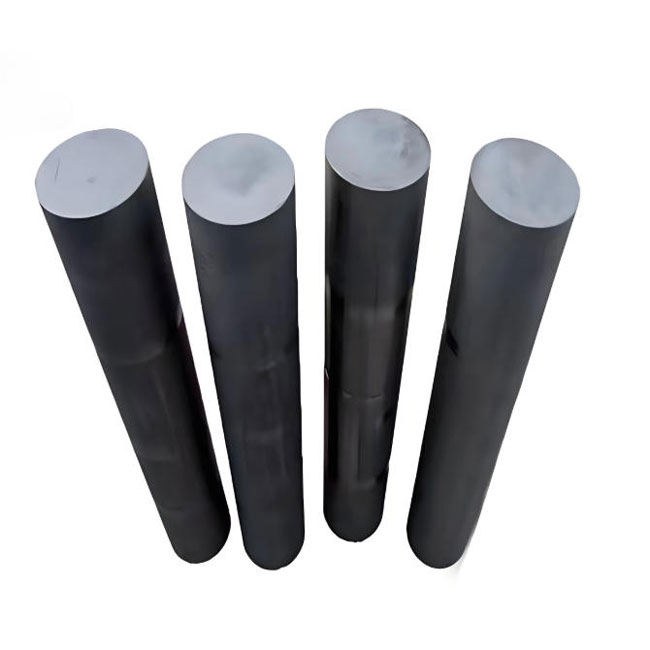
High-power graphite electrodes are particularly valued in the electric arc furnace industry because they can provide superior performance standards and lower production costs. These graphite electrodes are made from high-quality petroleum needle coke or coal tar pitch and have threaded portions at either end to accept electrode nipples.
Manufacturers are focusing on recycling and sustainability practices to improve their manufacturing processes and reduce their dependence on virgin needle coke. For example, used electrodes and joints can be crushed and reused as carbon feedstock for cement kilns or as raw materials for the production of new graphite electrodes.
The demand for graphite electrodes will increase due to increasing steel production through electric arc furnace (EAF) steelmaking. EAF is preferred by steel producers as it provides inexpensive startup costs, greater production flexibility, and lower carbon dioxide emissions.
Graphite electrodes are used in a wide variety of applications, including construction, automotive, and electrical power generation. The COVID-19 pandemic led to a decline in global economic activity and reduced steel demand, which affected the market for graphite electrodes. However, demand has since rebounded as the industry returns to normal operations.
The graphite electrode market is moderately consolidated, with the top five companies accounting for approximately half of global sales. Major manufacturers invest in research and development, capacity expansion, and supply chain integration to maintain their market positions. They also focus on securing needle coke supplies and optimizing energy use to improve sustainability. Moreover, some companies vertically integrate by building their own coal chemistry plants to control production processes and quality.

 English
Write a Message