
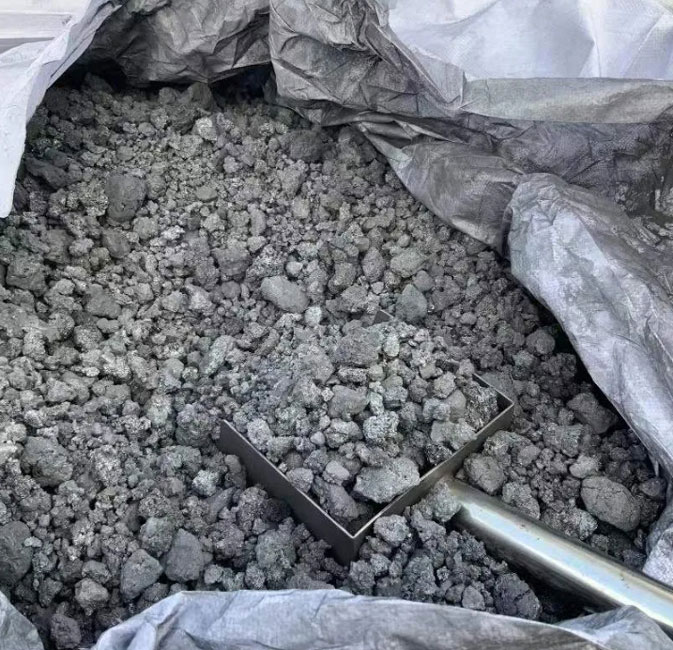
Graphite Petroleum Coke ash content is a critical quality indicator that directly impacts the efficiency and cleanliness of steelmaking processes. Ash consists of inorganic minerals that remain after the combustion or dissolution of carbon, such as silica, alumina, and iron oxides. In high-grade GPC, ash content is typically maintained below 0.5%, with premium grades often achieving levels under 0.2%. Low graphite petroleum coke ash content is essential because excessive ash increases slag volume, which requires more fluxing agents and energy to manage. This not only raises operational costs but also accelerates refractory wear in furnaces and ladles. Furthermore, high ash can introduce unwanted elements into the melt, potentially compromising the mechanical properties of the final steel product. For foundries producing gray or ductile iron, low ash ensures smoother pouring characteristics and reduces defects like sand inclusion. Suppliers achieve low ash levels by selecting high-purity needle coke precursors and employing rigorous washing and screening processes during production. Buyers should always request recent Certificates of Analysis (CoA) verifying ash levels for each batch. Consistency in graphite petroleum coke ash content allows metallurgists to predict slag behavior accurately, optimizing tap-to-tap times and reducing chemical corrections. By prioritizing low-ash GPC, manufacturers enhance yield, improve surface finish, and extend equipment lifespan, making it a strategic choice for high-performance metallurgical applications where purity and process stability are paramount.

 English
Write a Message