
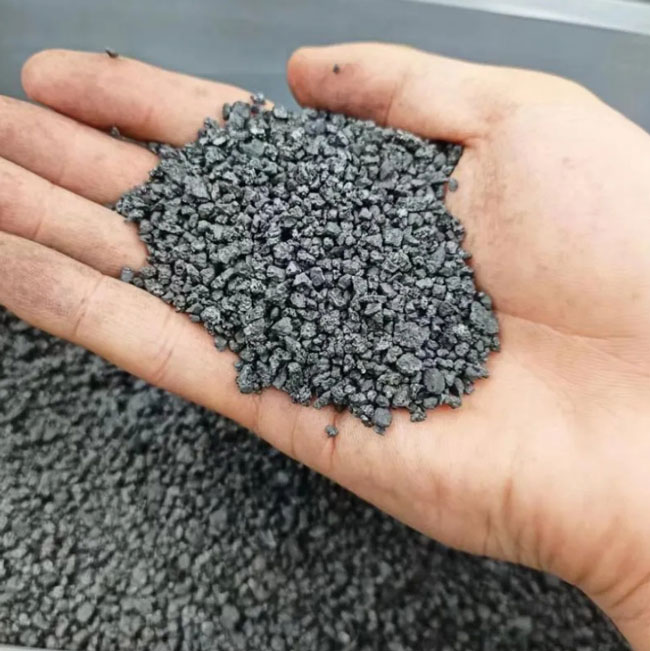
The diverse graphite petroleum coke application spectrum spans across multiple industrial sectors, primarily driven by its unique combination of high purity, electrical conductivity, and thermal stability. In the steel industry, its most common graphite petroleum coke application is as a premium recarburizer in Electric Arc Furnaces (EAF) and Ladle Refining Furnaces (LRF). Here, it adjusts carbon levels without introducing harmful impurities like sulfur or phosphorus, ensuring clean steel suitable for automotive and construction uses. Beyond steel, GPC finds significant use in the foundry sector, particularly for producing nodular cast iron and high-grade gray iron, where it helps control graphite morphology and prevents white spots. Another key graphite petroleum coke application is in the manufacturing of carbon electrodes and anodes for aluminum smelting, thanks to its excellent graphitic order and low resistivity. Additionally, GPC is utilized in the production of silicon metal and ferrosilicon alloys in submerged arc furnaces, where its high carbon content supports reduction reactions while maintaining slag fluidity. Emerging applications include battery materials and conductive additives in polymer composites, leveraging GPC’s structural integrity. Each graphite petroleum coke application demands specific particle sizes and purity levels, highlighting the need for customized grading by suppliers. As industries seek higher efficiency and cleaner outputs, the versatility of GPC continues to expand. Understanding these varied uses helps buyers select the right grade for their specific process requirements, optimizing both cost and performance in complex metallurgical and industrial operations.

 English
Write a Message