
Petroleum coke is a solid byproduct of oil refinery processing that contains carbon. It is used in a variety of industrial applications, including graphite electrodes for electric steel furnaces and as fuel for power generation. It is also a raw material for the production of synthetic graphite. The amorphous carbon structure of petroleum coke can be converted to a more crystalline densified graphitic material by heat treatment. This process removes pores and voids in the coke, and increases its electrical conductivity, making it more suitable for use in energy devices.
Depending on the type of crude oil used in the refining process and the coking method, different types of petcoke are produced. These include a high-quality, premium petcoke known as needle coke, which has a distinctive, needle-like structure and is used in the manufacture of graphite electrodes for electric steel furnaces. It is lower in ash constituents and sulfur than standard calcined petcoke, and it has a higher carbon content, allowing for better conductivity. This type of petcoke is also an ideal substitute for coal in power plants.
The quality of petroleum coke depends on the refining process and the source crude oil, as well as on its vapor pressure and volatile matter content. The vapor pressure of petroleum coke ranges from 0.2 to 1.0 bar, and the volatile matter content can vary between 8% and 10%, with lower volatile contents being preferred for use in energy generation.
Sponge coke, which is low in both vapor pressure and volatile matter content, has a porosity of up to 40%. It is commonly used to produce carbon electrodes for the aluminum industry and as a feedstock in a number of chemical processes. This type of petcoke is typically low in sulfur and heavy metals, as well as in the presence of impurities such as phosphorus and chlorine.
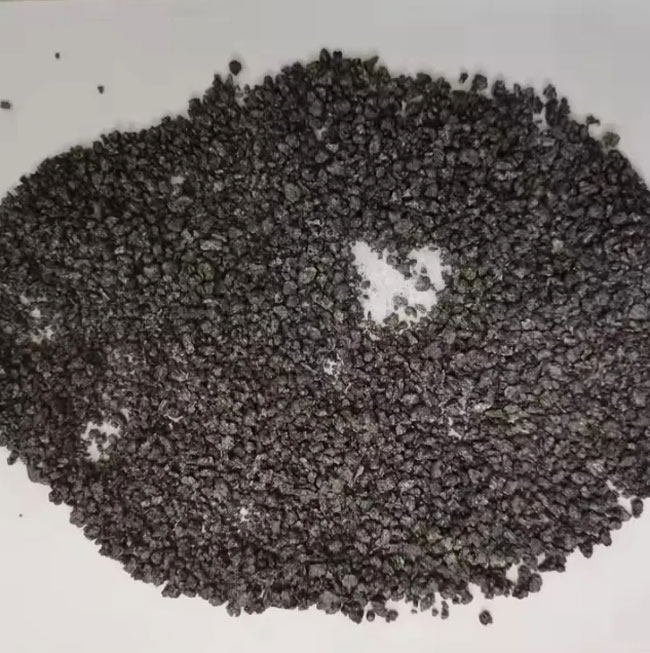
Calcined petcoke, which is made by baking raw petcoke (known as green coke) to drive off volatile compounds, has a fixed carbon content of more than 85%. It is used in a variety of applications, including the production of carbon and graphite electrodes, as an alternate fuel for thermal power stations, and in cement kilns. It is also used to replace natural gas in some steam generators.
The most important feature of calcined petcoke is that it has a low volatile matter content, which protects industrial equipment from damage and prevents the formation of tar-like deposits. It also has a low concentration of sulfur, iron, and metals, which reduces corrosion. Testing for these properties is necessary to ensure that they remain at safe levels for use in refining equipment and industrial processes. Making sure that these concentrations are low can also help to protect the environment and reduce greenhouse gases.

 English
Write a Message