
Petroleum coke is a solid byproduct of oil refining that closely resembles coal. It is produced during the final step of the crude oil refinement process, thermal cracking. The heat from the cracking process breaks large petroleum hydrocarbon molecules down into smaller ones, which can then be separated as gas and oil products. The carbon residue that is left over from this process, which consists of a black, hard, brittle substance, is called petroleum coke.
This carbon-rich byproduct is used in a variety of industrial applications, including as fuel and feedstock in many types of chemical processing. Its low price makes it a more economical alternative to natural gas or other fossil fuels for the production of power and chemicals, especially those that require high heat inputs. It is also an important source of energy for the smelting of aluminum and steelmaking.
When compared to coal, petroleum coke has a lower ash content and higher BTU content. However, the main advantage of petcoke is its low sulfur content, which allows it to be burned without generating large amounts of sulphur dioxide or particulates in the atmosphere. In addition, its low moisture content makes it more stable and easier to handle than coal.
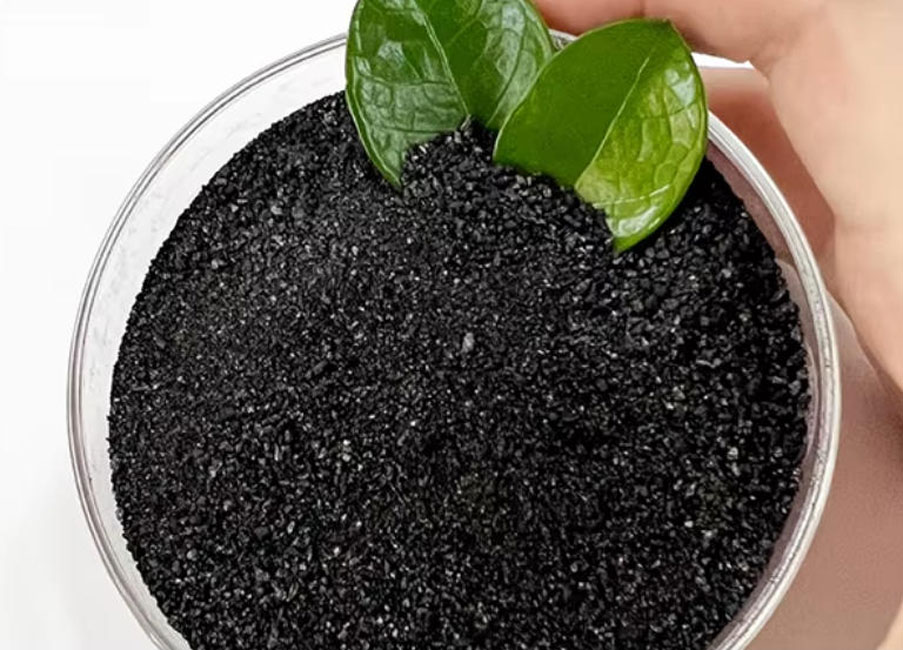
The most common use of petcoke is as a fuel in the production of electricity, which is done by converting it to a synthesis gas (H2 and O2) using a coal-gasifier or a natural gasification plant. This synthesis gas is then used to generate electricity in combined-cycle turbine plants or in internal combustion engines.
Another use of petcoke is as a calcination feedstock for the production of carbon products such as graphite electrodes and carbon brushes. It is also used in the production of activated carbon, which can be found in products such as air filters and water purifiers. It is also being studied as a possible fuel for fuel cells, which convert hydrogen and oxygen to produce electricity.
Petroleum coke is a key ingredient in the production of electric arc furnaces (EAF) steel, as it provides the needed amount of carbon to maintain a controlled rate of oxidation when smelted with iron. It is also added to the steel melt to help reduce the melting point and increase ductility, strength and machinability of the resulting steel. In addition, it helps to lower the cost of steel production by lowering the energy costs on a ton-by-ton basis compared with the usage of natural gas. In the future, it may also play a role in the production of low-carbon steel. The key to its success will be the ability to produce it at a competitive price and at the required quality levels. This will require the development of advanced technology to improve the conversion efficiency, and to develop a more sustainable process that reduces the need for new sources of raw materials and energy.

 English
Write a Message