
Petroleum coke is a black or dark gray solid carbon material and it plays an important role in several industrial fields. It is a byproduct of petroleum refining, which uses a series of stages, techniques and equipment to transform crude oil into various types of fuels for transportation.
The main composition of petroleum coke is carbon, which gives it unique physical and chemical properties that make it suitable for various industrial uses. The major fields of application for petroleum coke are energy, metallurgy, chemical industry and construction materials. It is a crucial resource for the steel industry due to its high carbon content and unique physicochemical properties.
Petroleum Coke can be used as an opportunity fuel for power generating boilers, as it has higher calorific value than coal. However, it must be blended with other fossil fuels because of its high moisture and volatile matter contents. Coke blends have a lower cost than the price of pure coal, which makes them an attractive option for electricity generation. It is also used to replace natural gas in steam generation systems in large industrial plants.
There are two main types of petroleum coke: green coke and calcined coke. Green coke is the raw byproduct of petroleum refining, and it contains a high amount of sulfur and volatile matter. It is then subjected to delayed coking reactions at high temperatures and pressures to remove the hydrocarbons, resulting in a coal-like substance that can be used as an energy source.
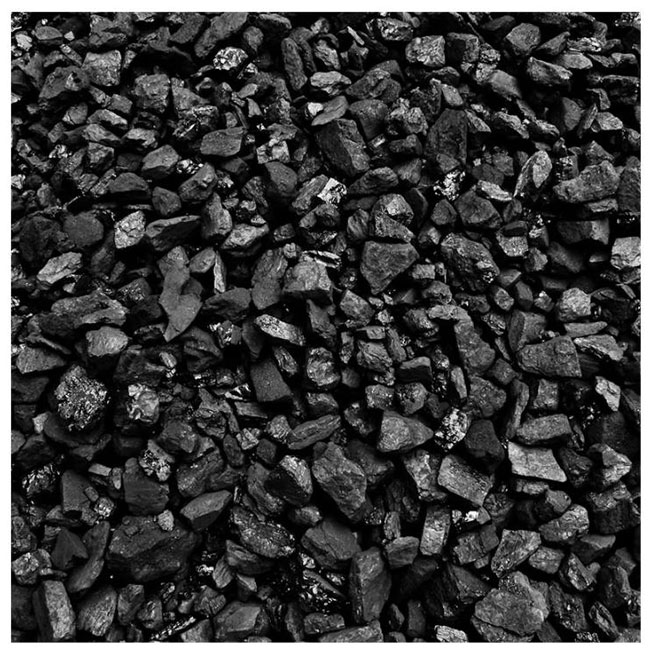
Calcined coke is a high-purity form of petcoke that has low volatile matter and moisture content. It is a key ingredient for the production of graphite anodes in the aluminum industry, as it provides superior electrical conductivity and thermal stability. This is a crucial factor in enhancing the efficiency of the electrolysis process, and it is also essential for quality aluminum production.
The calcination process is followed by densification, which increases the bulk density of petcoke and makes it more usable for various industrial applications. This process is usually done in a controlled setting, which guarantees consistency and stability of the coke. The final step is drying, which eliminates any residual moisture and prevents any undesired reactions.
The Importance of Petroleum Coke in the steel industry is that it provides the heat needed to melt and smelt the iron ore into steel preproducts. It is a cost-effective and environmentally friendly source of energy for the smelting and forming processes. It also reduces the concentration of trace metals, such as arsenic, cadmium, mercury and vanadium, in the slag from steel melting furnaces. This is a significant improvement over the previous use of coal in these furnaces. It also allows for higher productivity and efficiency in smelting operations. These are just some of the reasons why the Metallurgical industry considers it one of the most vital sources of heat. In addition, calcined coke has a higher energy content than other fossil fuels. This means it can be used to replace more expensive fuels such as natural gas in cyclone and pulverized coal boilers.

 English
Write a Message