
Petroleum coke plays a crucial role in many industrial processes from graphite manufacturing to metal production. It is a carbon-rich byproduct of the refining process of crude oil and is used as fuel for power plants and cement kilns, but it is also a raw material for several critical industrial products like graphite electrodes and graphite crucible. Its physical and chemical characteristics determine its use in various applications. The forging industry is no exception. Graphite Petroleum Coke in forging industry is a necessary component of the production of graphite and other related products that are vital for modern industrial production.
The calcination process is the key to transform petroleum coke into the right kind of material for specific industries. It converts the coke to a form that is highly crystalline and has low impurity levels. It is then turned into a material that is very stable and able to withstand high temperatures without losing its properties.
During the calcination process, petroleum coke is heated in a special atmosphere that prevents contamination by other materials. The result is a coke with a consistent structure that can be used in the following stages of production such as metal production and graphite manufacture. Its stability and purity are crucial since they allow for efficient operations.
The forging industry uses petroleum coke as a carbon source in the electric steel furnace process. It helps to increase the carbon concentration of molten steel and improves its quality and strength.
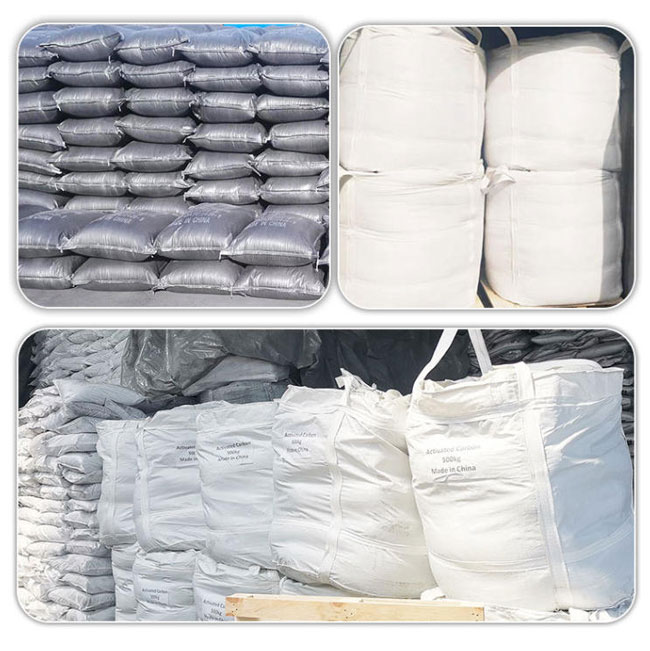
It is also used as a raw material in the manufacturing of graphite electrodes for the aluminum and steel industry. This is due to its high carbon content and ability to withstand high temperature. Moreover, it can withstand high current and is easy to work with.
In addition to its carbon content, petroleum coke is a rich source of minerals that are essential for plant growth. It is often used in the production of fertilizers. The high nitrogen and potassium concentrations of pet coke can help boost crop yields.
There are many different kinds of petroleum coke, and their types are determined by their structure and the way they were produced. Using physical test methods, the density and porosity of the pet coke can be measured to identify its type. Its resistivity can also be tested using specialized equipment.
The characterization of petroleum coke by physical tests is essential to determine its suitability for specific applications. This will enable you to make the most of this carbon-rich material. It can be used to manufacture graphite and other carbon products such as lubricants, brake linings, and catalysts. It is a raw material for the manufacture of high-temperature graphite crucibles and electrodes, as well as pencil lead. It can also be used in the production of fuel cells. The chemical analysis of the petroleum coke can also be used to identify its type and the best possible application for it. The main elements to consider are its carbon, oxygen, hydrogen, sulfur and other impurities content.

 English
Write a Message