
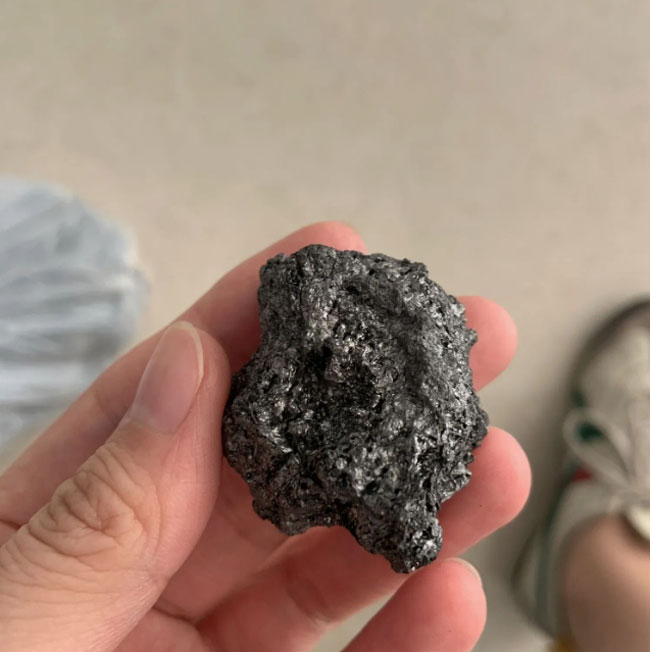
Petroleum Coke is used in the production of steel and for a wide range of other industrial applications. It has a very low volatile matter and calorific value, making it an efficient fuel for power generation and cement production. It is also used to help produce high-grade amorphous graphite electrodes for use in electric furnace steelmaking. The process that produces petcoke is energy-intensive, which contributes to the environmental concerns surrounding its manufacture and usage. However, it remains an important part of the steel production process because it helps reduce manufacturing costs and provides an affordable source of energy for developing countries.
Petroleum coke is produced in a variety of ways, depending on the type of crude oil used to make it and the methods employed to turn it into fuel. Sponge coke, needle coke and calcined sponge coke are the most common types of petroleum coke produced. Delayed coking is the most popular method for petcoke production, but fluid and flexi-coking processes are becoming more common in some countries.
In the steel production process, petroleum coke acts as a fuel to produce additional heat and as a chemical-reducing agent to reduce iron oxides in the blast furnace. It is also used to help control the temperature of molten steel. In addition to its role in the blast furnace, petroleum coke is used as a solid fuel for pulverized coal (PC) boilers. It is typically cofired at a percentage of 20% to 30% of the total boiler load on a calorific value basis.
Coke is a byproduct of crude oil refining and is an integral part of the iron and steel industry. It is used in the blast furnace to generate additional heat and as a chemical-reducing and supporting agent to reduce iron oxides. It is also used to control the temperature of molten steel in the ladle furnace and to add alloying elements to the metal prior to casting.
During the final step of the steel manufacturing process, molten steel is poured into molds to form flat sheets, beams or wires. It is then rolled on hot rollers to fine-tune the shape. The finished product is then cut to length using torches.
Testing petroleum coke is necessary to ensure it meets industry standards and can be safely used in the steel production process. It is tested for its physical parameters, including density, porosity and resistivity. It is also analyzed for its volatile matter, sulfur and carbon content. Keeping these levels at a safe level protects the equipment in the plant, while lowering greenhouse gas emissions. In addition, ensuring the coke is free from slag particles is essential to ensure proper handling and production of quality steel. This testing is typically performed by a qualified laboratory. The results of these tests are used by the steel producers to determine the most appropriate processing method for their coke supplies. Obtaining the best possible test results helps to ensure a smooth, safe and successful steel production process for manufacturers and consumers alike.

 English
Write a Message