
Petroleum coke, also known as Petcoke, is a carbon-rich solid fuel that derives from oil refining. It is produced in the final cracking process—a thermo-based chemical engineering process that splits long chain hydrocarbons from petroleum into shorter chains—that takes place in units called cokers. Coke is the result of this reaction and it has different uses depending on its properties.
For instance, high quality calcined petroleum coke (GPC) has a very high carbon content and can be used as a raw material in steelmaking processes for producing graphite electrodes due to its low sulfur, nitrogen and ash content. It has an acicular structure and a very high specific surface area, which can give it good conductivity and thermal performance. It can also be used as a raw material in the production of graphite, a high-quality lubricant with a very low coefficient of friction and excellent heat transfer performance.
In addition, petroleum coke can be used as an alternative to coal as a fuel for power generation due to its relatively lower price and higher gross calorific value (HHV). However, the combustion of coke produces more CO2 than that of coal which is why it needs special treatment to reduce sulfur dioxide emissions in order to meet strict environmental emission standards.
Furthermore, besides its use as an alternative source of energy for electricity generation, petroleum coke can be used in the ironmaking industry in the form of carbon additives to improve steel product quality. Coke has a unique structure that allows it to absorb and hold metal oxides, especially sulfides, during the smelting process. Therefore, it can effectively prevent the occurrence of sintering and clustering in the reduced metallic iron which improves direct reduction efficiency.
Another way that petroleum coke can be used is to substitute for natural gas in the production of synthesis gas (H2), a mixture of carbon monoxide and hydrogen. This can help to reduce the consumption of natural gas and therefore cut down on emissions. This is a very effective way of reducing greenhouse gasses in the atmosphere.
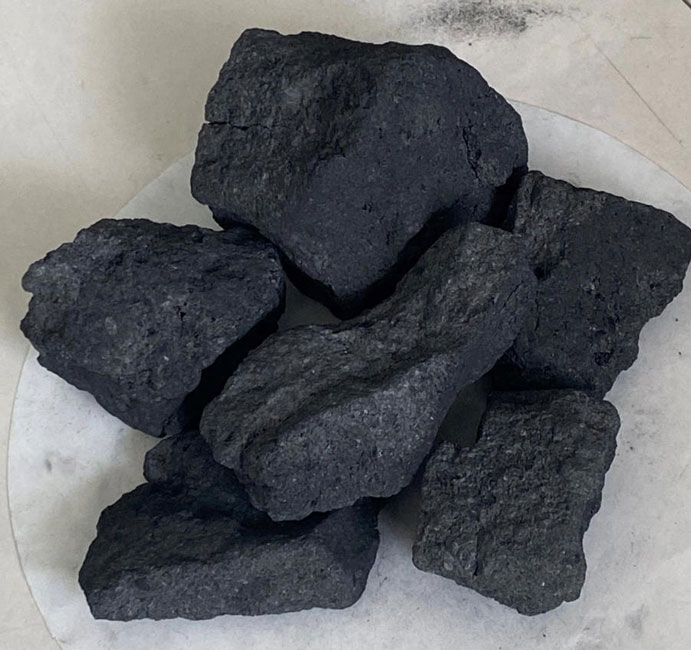
When the final products are compared, it is clear that a steelmaking process with high quality petroleum coke is much more efficient than other methods of smelting iron. The main reason for this is that it requires less energy to produce the same amount of steel. In the end, it is also cheaper to operate a plant that uses a high quality GPC than one that doesn’t.
However, it is important to keep in mind that using the wrong type of petroleum coke can lead to a number of problems. The most common problem is that using high-sulfur petroleum coke can lead to the production of sulfur dioxide which is a harmful pollutant and must be carefully avoided. Moreover, the calcined petroleum coke must have a very specific particle size and distribution which is required for it to be able to perform well in an ironmaking furnace. This is because the granules must be able to disperse evenly in order to avoid clogging or bridging the pores of the blast furnace.

 English
Write a Message