
Metallurgical industry using Graphite Petroleum Coke is a vital additive in aluminum smelting, steel production and more. This byproduct of petroleum refinement is an excellent carbon source with low sulfur and ash levels. Moreover, it can withstand high temperatures, making it an ideal ingredient for various industrial processes. Moreover, it is known for its electrical conductivity, which enhances energy efficiency and ensures superior quality of carbon products.
Graphitized Petroleum Coke (GPC) is made by heating the petroleum coke in a graphitization furnace. This process aligns the carbon atoms in a more ordered structure and removes impurities like sulfur, nitrogen, and ash. Consequently, the finished product is high-fixed carbon with low ash and sulfur content, as well as low porosity. It is commonly referred to as “natural graphite.”
The metallurgical industry uses GPC as a carbon raiser in the manufacture of aluminum, cast iron and steel. Moreover, it is an essential component in the production of lithium-ion batteries. The low sulfur and ash content of GPC ensures optimal performance in these applications by preventing contamination. Additionally, its high thermal resistance helps reduce the risk of fire and explosion.
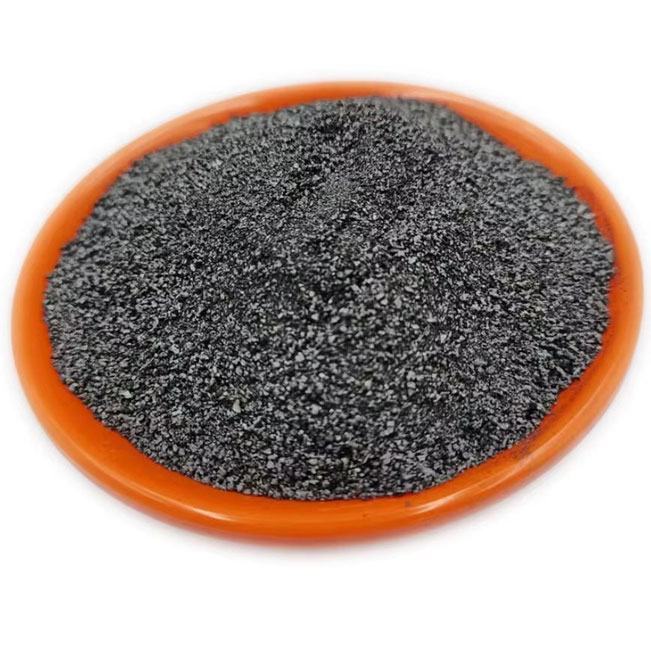
GPC is a hard, brown to black solid petroleum byproduct that has a metallic luster and is composed of tiny graphite crystals. Its particle size varies, with some being granular or columnar and others being needle-like. The morphology of the coke depends on the refining process and the type of crude oil used to produce it.
The coke’s unique chemical composition makes it an ideal material for energy storage. It contains a high percentage of carbon, which gives it the ability to absorb a large amount of energy. It also has a very low vapor pressure and low ignition temperature. As a result, it can be used as an alternative to coal for electricity generation.
In addition, it can be utilized to generate liquid fuels such as liquefied petroleum gas (LPG) and heavy fuel oil. It can also be burned as a fuel in solid-fuel boilers to generate steam and power. Moreover, it can be used to make carbon fibers.
Metallurgical coke can play a significant role in improving the efficiency and profitability of various industrial processes. By enhancing the carbon content of aluminum, steel and other products, it increases their strength, durability, and functionality. Additionally, it is useful for reducing the cost of carbon-based products by providing a renewable and environmentally-friendly alternative to natural graphite.
The metallurgical industry is a major user of petroleum coke and has the potential to use even more of it in the future. However, if the industry is to continue to grow and meet its sustainability goals, it will need to develop innovative ways to minimize its environmental impact. This will involve improving combustion efficiency, developing advanced carbon capture and storage technologies, and implementing other emission control measures. In addition, it will require ongoing innovation and adaptation. These efforts will help the metallurgical industry to utilize petroleum coke more efficiently and align it with global sustainability goals.

 English
Write a Message