
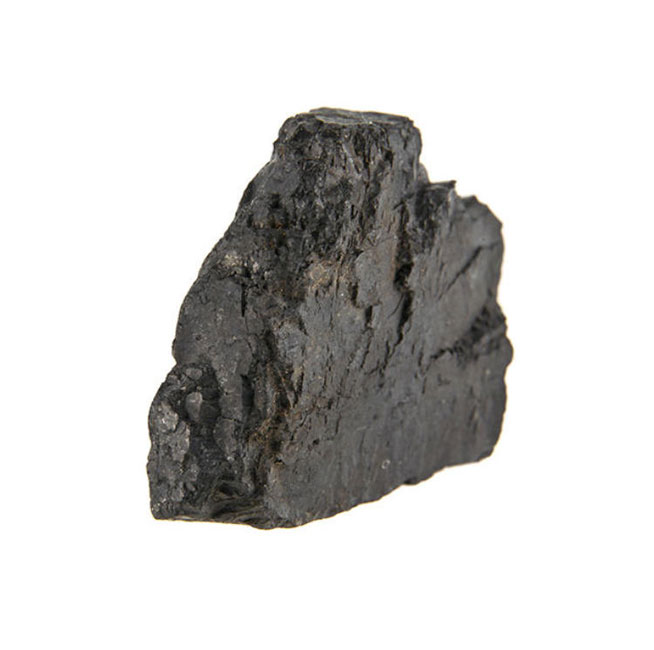
Understanding the differences between Graphite Petroleum Coke vs Calcined Petroleum Coke is essential for selecting the right additive for specific metallurgical applications. Both materials originate from petroleum refining, but they undergo different thermal treatments resulting in distinct properties. Calcined Petroleum Coke (CPC) is heated to approximately 1,200–1,400°C to drive off volatile matter and moisture. It retains an amorphous carbon structure and is commonly used as fuel in aluminum smelting anodes or as a recarburizer in general steelmaking where high purity is less critical. In contrast, Graphite Petroleum Coke vs Calcined Petroleum Coke highlights that GPC undergoes an additional graphitization step at temperatures above 2,500°C. This process rearranges the carbon atoms into a crystalline graphite structure, significantly enhancing purity, electrical conductivity, and chemical stability. Consequently, GPC has much lower sulfur, ash, and volatile content compared to CPC. This makes GPC ideal for high-grade steel production, stainless steel, and foundry applications where minimizing impurities is paramount. CPC, being less refined, is more economical but introduces higher levels of contaminants. When choosing between Graphite Petroleum Coke vs Calcined Petroleum Coke, consider the end-use requirements. If the goal is maximum carbon recovery with minimal slag generation, GPC is superior. If cost reduction is prioritized for standard construction steel, CPC may suffice. Ultimately, the structural difference dictates performance: GPC offers precision and cleanliness, while CPC offers volume and economy. Correct selection optimizes both product quality and operational costs.

 English
Write a Message