
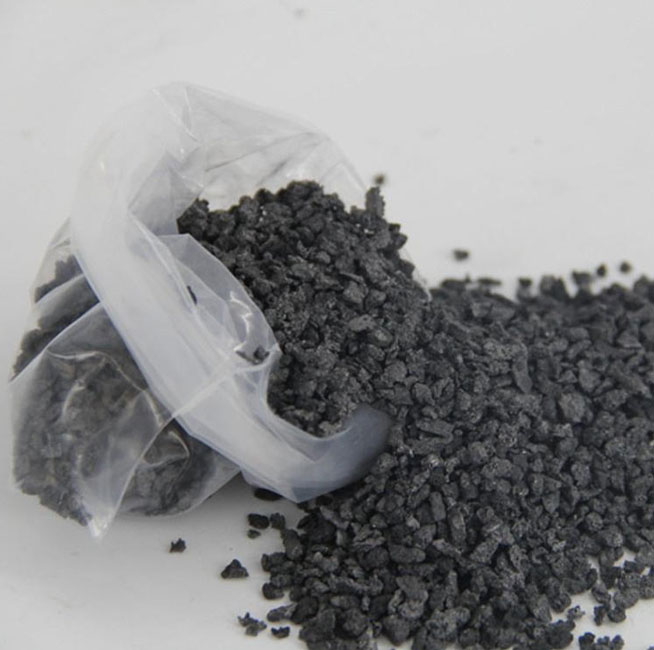
Graphite Petroleum Coke purity is the defining characteristic that separates premium GPC from standard carbon additives. High purity refers to elevated fixed carbon content, typically exceeding 98.5%, coupled with extremely low levels of ash, sulfur, phosphorus, and volatile matter. Achieving superior graphite petroleum coke purity requires rigorous control throughout the production chain, starting from the selection of low-sulfur crude oil feedstocks to advanced graphitization techniques. Impurities in GPC can have detrimental effects on steel quality. For instance, sulfur causes hot shortness, leading to cracking during rolling, while phosphorus induces brittleness at low temperatures. Ash contributes to slag volume, increasing energy consumption and refractory wear. Therefore, mills producing high-value products insist on strict purity specifications. Suppliers employ sophisticated analytical methods, such as X-ray fluorescence (XRF) and combustion analysis, to verify graphite petroleum coke purity before shipment. Consistency is equally important; batch-to-batch variation must be minimized to allow for automated process control. High purity also enhances carbon recovery rates, meaning less material is wasted through oxidation or slag entrapment. This improves economic efficiency despite the potentially higher upfront cost of pure GPC. Furthermore, pure GPC generates less dust and fumes during handling, contributing to a safer workplace environment. For buyers, requesting detailed purity reports and conducting independent audits ensures that the delivered material meets claims. In competitive metallurgical markets, graphite petroleum coke purity is not just a quality metric; it is a prerequisite for meeting international standards and customer expectations for reliability and performance.

 English
Write a Message