The graphite electrode market in the world is set to grow, driven by steel demand and metals. Electric vehicles are also on the rise. This market is also driven by the technological developments, changes in industrial processes and consumer demand.
Graphite can be used as an electrochemical electrode because it is the only carbon form that remains stable in standard conditions. This makes graphite the perfect material to use when performing electrochemical reactions such as electroplating, electrorefining or electrorefining. It is also useful in industries that have to deal with corrosive conditions and extreme temperatures because of its chemical inertness. Graphite comes in a wide range of shapes and sizes, depending on the application. Due to its low density, it is relatively easy to machinize into complex shapes.
As well as being an affordable alternative to metals graphite offers superior electrical resistance and conductivity. Its availability, versatility and these properties have led to its popularity in a wide range of industries. For example, it is used as a mold material in foundries and as the main anode material for lithium-ion batteries. Other electrical and electronic products, such as capacitors and crucibles, also use it.
Due to its versatility, graphite is a highly competitive market. The industry has a number of major firms, which are often involved in mergers and takeovers. The industry is predicted to keep on innovating and adapting to changing consumer needs.
Besides its use in traditional steelmaking, the electrodes are also important in other chemical and electrochemical processes such as production of aluminum, silicon, phosphorus, and non-ferrous metals through the Electric Arc Furnace (EAF) or laddle furnace routes. These electrodes are essential for many metallurgical operations, including smelting and casting.
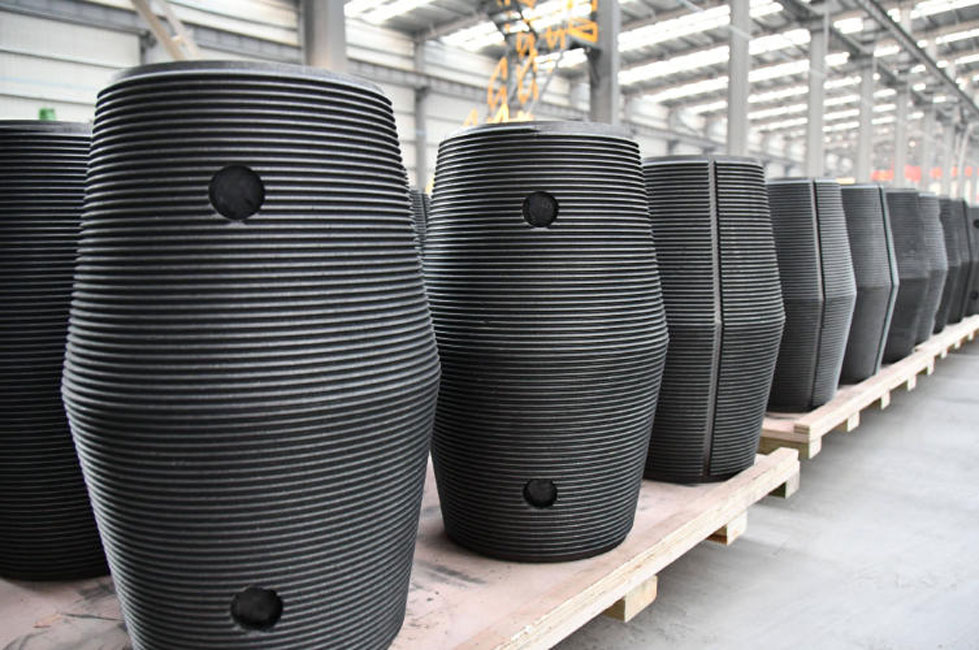
The demand for graphite is further fuelled by the rise in the battery market, as the electrodes are key constituents of lithium-ion batteries. Rapid expansion in the battery market has been made possible by technology advancements, and a growing demand for long-lasting, energy-efficient batteries. The development of carbon-based material, for example, has led to increased investment into new technology.
The graphite industry is affected by the fluctuations of raw materials prices. These are vital for production. The price of petroleum coke and needle coke has been volatile, and any change in these costs can have an impact on the manufacturing process. Volatility is also present in the price of coal-tar pitch, a key material for binders.
The global graphite market will likely grow during the forecast period despite the challenges currently faced. Increasing demand for steel and other metals, and the growing popularity of electric vehicles are expected to boost demand for graphite electrodes in Asia Pacific. North America and Europe are expected to have significant graphite markets. These regions will also experience economic growth that is expected to be significant, in addition to steel. This will increase demand for graphite electrodes.

 English
Write a Message