
Petroleum Coke, or PetCoke, is a carbon-rich solid byproduct of oil refining that offers a wide range of industrial applications from energy generation to metallurgical production. It is a critical energy industry byproduct and remains a vitally important resource as the world shifts towards more sustainable energy practices. It is currently a key component in energy production, metallurgical applications and the manufacture of advanced materials.
PetCoke is the final carbonization product of a thermo-based process that splits long-chain hydrocarbons into shorter chains during oil refining. The process is known as “coking” and takes place in units called coker plants. This final carbonization step converts the remaining heavy oil residues (known as “refinery residuals”) into a fuel known as coke. Coke is a solid, insoluble material that is dark brown to black in color with a high bulk density and porosity. It contains 80-95% fixed carbon, and typically carries small amounts of nitrogen and sulfur and several metals such as vanadium and iron.
Coke can be used as a blending fuel in conventional cyclone, PC and fluidized bed boilers. Combustion of pet coke generates lower emissions and provides better overall boiler efficiencies than coal and other fossil fuels. Coke can also be used as a feedstock in gasification systems to produce power, steam and hydrogen for cleaner transportation fuels. Gasification of pet coke and other refinery non-volatile waste streams (atmospheric residuum, vacuum residuum, visbreaker tar and deasphalter pitch) produces power and hydrogen at a higher energy efficiency than coal combustion.
Petroleum coke is used as a raw material in a variety of metallurgical applications such as carbon electrodes and abrasives. Its low sulphur content makes it an excellent blending fuel for steel production. It also can be used in the production of alumina and to make desulphurization mud for iron and steel production.
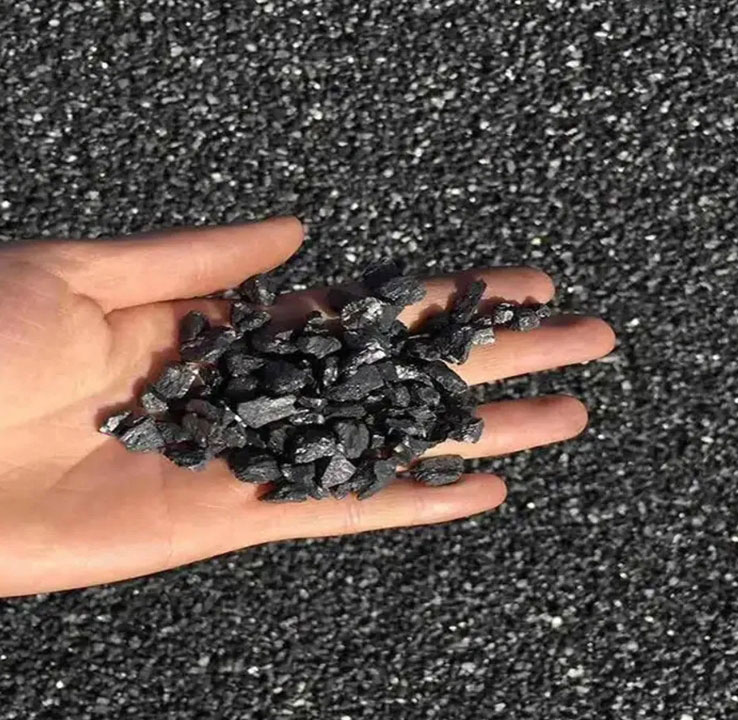
While many alternatives exist for using petroleum coke as a fuel source, it remains a popular choice due to its low cost, availability and superior energy yield per ton. However, environmental regulations often limit its use as a fuel in some applications.
Testing of petroleum coke is vital for ensuring its safety, usefulness and quality. Keeping sulfur, metal and carbon levels low protects equipment and the environment, while maintaining a high calorific value prevents loss of energy production. Test results are used in commercial transactions, controlling plant operations, and allocating production costs.
Petroleum coke has a wide range of specialized grades that are used for specific industries. For example, the calcined coke used in electric power generation is low in sulfur and metals to meet rigorous environmental standards. Other specialized grades include needle coke for high grade graphite electrodes and sponge/shot coke used in the manufacture of carbon inserts for steel production. These grades require a much higher purity level. Testing enables companies to keep their production costs down while meeting industry specifications and maintaining the highest quality standards for their products.

 English
Write a Message