
Petroleum coke is a byproduct of crude oil refining that offers significant value across multiple industrial applications. It is used as a fuel for power plants and cement kilns, as well as in metallurgical processes like steel production. Its role is set to evolve as the world adopts more sustainable energy practices. However, it is still an essential byproduct of the crude oil refining process. Its high carbon content and versatile properties make it a critical resource for energy generation, metallurgical applications, and the production of advanced materials.
During the refining of crude oil, heavy fractions such as bitumen and residual oils are separated from lighter products like gasoline and diesel. The heavy fractions are heated to high temperatures in a coking unit, which breaks down large hydrocarbon molecules into smaller ones and forms petroleum coke. During this process, gases such as carbon dioxide and nitrogen are released. These gases, along with water vapor and sulfur oxides, produce greenhouse gases that affect climate change.
Once the coke has been formed, it is tested for its quality and strength. It is also microscopically analyzed to identify the proportion of reactive components (vitrinite and liptinite macerals) versus inert components (inertinite macerals and mineral matter), which determine its coking properties. The quality of the coke is also determined by its color and odor. The odor of the coke is created by volatile organic compounds, while its color is caused by impurities such as nitrogen oxides and sulfur oxides.
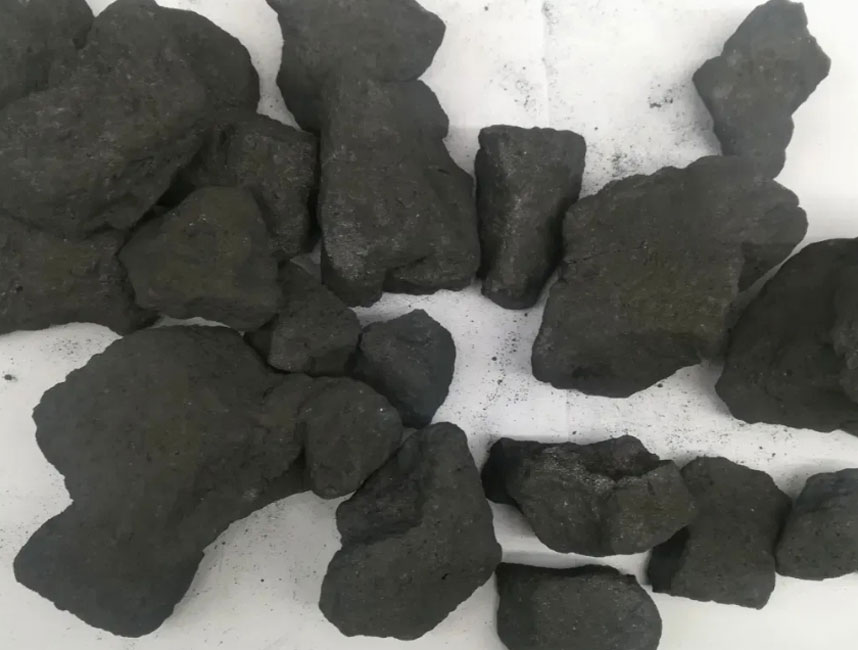
The next step is to dry the calcined coke. This is important because moisture can cause undesired reactions that compromise its usability and performance. This is a carefully controlled process that ensures the coke’s structural integrity and performance characteristics. Drying is also vital for preventing the formation of pyrolysis contaminants.
After drying, the calcined petcoke is cooled to a temperature that makes it safe for storage and use. It is then transported to its intended destination.
Currently, the main application for calcined petroleum coke is to develop electrodes for the steel and aluminum industries. The rise in demand for these metals due to infrastructure development, automobile manufacturing and other global industrial activities drives the growth of the calcined petroleum coke market.
Moreover, calcined petroleum coke is also used as a raw material for the production of graphite electrodes in electric arc furnaces. Additionally, it is used in the manufacture of refractory materials that are needed for blast furnaces. Its resistance to oxidation and thermal stability make it ideal for these applications, as it can withstand extreme temperatures.

 English
Write a Message