
Steel is a highly versatile metal that is used in a wide variety of applications, from building construction to cars and airplanes. It is produced from iron ore, a combination of oxygen and other minerals that occurs in nature. The production process is energy-intensive and generates a significant amount of waste heat and emissions, making it a target for environmental regulation and scrutiny. Several ways to reduce these effects exist, including shifting from the main production route using petroleum coke to alternative methods, recycling of steel and other materials, and the use of alternative fuels.
Historically, crude steel was made by melting steel scrap or “scrap” and adding it to the molten pig iron in a blast furnace. This process was labor-intensive and required three hours to complete, requiring large quantities of coke for the smelting. In 1740, Benjamin Huntsman developed the crucible technique for steel manufacturing in England. This greatly improved the quantity and quality of steel produced and required significantly less coke. The Siemens-Martin process, which complemented the Bessemer process in the 19th century, further reduced the time needed to make low-grade steel and decreased the need for expensive coke by combining scrap with pig iron in a converter.
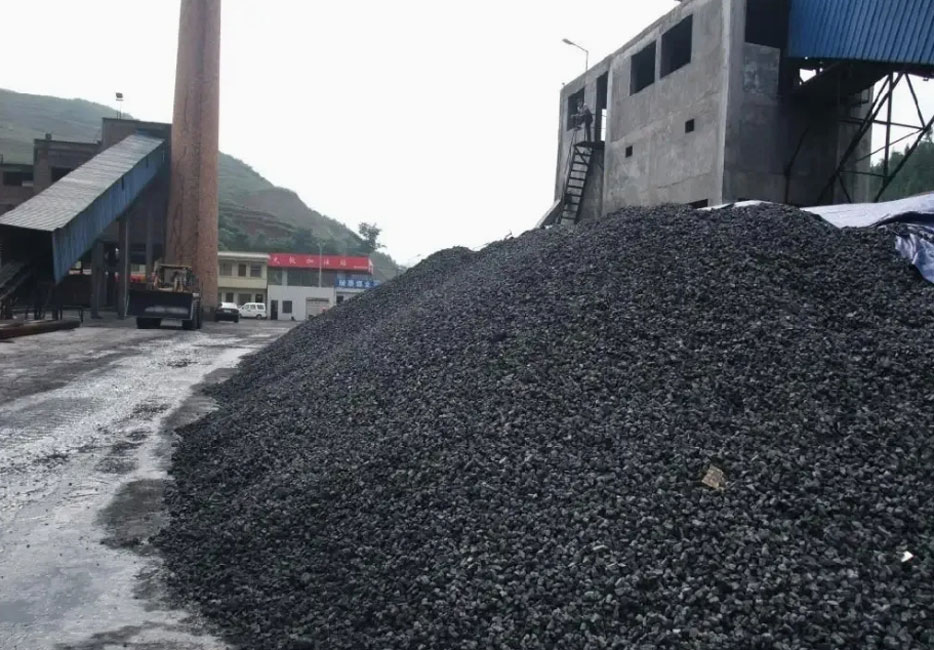
The main production routes for modern steel are the blast furnace/basic oxygen furnace (BOF) and electric arc furnace (EAF). The BOF process involves casting molten iron from a blast furnace into a converter, where it is reacted with high-purity oxygen in order to remove impurities. This produces a “clean steel” that requires significantly less coke to produce than conventional crude steel. The EAF process is used to manufacture a wider range of steel products than the blast furnace/BOF method, and is less labor intensive.
Petroleum coke is a byproduct of petroleum refining and can be used in a number of different industries. It is most commonly used as fuel in solid fuel boilers to generate electricity, and can also be used for cement kilns. The quality of petroleum coke varies, with fuel grade coke having higher sulfur and vanadium concentrations than the coke used to make carbon anodes for aluminum production or graphite electrodes in steelmaking.
Other uses of petroleum coke include producing carbon products such as graphite electrodes and carbon brushes, and as a feedstock for chemical manufacturing. Calcined petroleum coke can also be used as a fuel for fuel cells, which convert hydrogen and oxygen into electricity without combustion.
The main sources of emissions from steel manufacturing are blast furnace and coke oven operations. The emissions from these operations contribute to climate change, ozone depletion and particulate matter. Alternatives to these processes exist, but they are currently not cost competitive with the current production methods. In addition, it is not yet feasible to develop steel production technologies that can be fast enough to meet the demands of a global economy where demand for steel is increasing rapidly. This is a significant challenge for clean steel production.

 English
Write a Message