
Petroleum Coke is the solid carbon byproduct of crude oil refining that is used in a variety of industrial applications. It is often burned as a fuel for thermal power generation, but it also has important uses in the steel industry. This black, solid material is a form of fossil fuel with a high calorific value and low sulfur content. It is more stable than coal, and it can withstand high temperatures. In addition, it can be processed to produce high quality graphite electrodes that are an integral part of electric furnace steel production.
The main use of petroleum coke is as a reducing agent in blast furnaces to convert iron ore into molten steel. Its low sulphur content and stability at high temperatures make it the preferred reducing agent in modern refineries. It is also used in the manufacture of refractory materials, where its excellent resistance to oxidation and thermal stability are valued.
Coal-based petcoke is a black, dense solid material with a honeycomb structure and a high carbon content of between 91 and 95% by weight. It contains variable amounts of hydrogen, nitrogen and sulfur, depending on the source of the raw material. It is insoluble in organic solvents and is highly abrasive.
Unlike coal, petroleum coke is not a clean energy source, but it does have potential as a substitute for other fossil fuels in some applications. During the coking process, it produces greenhouse gases and other pollutants that must be captured and stored, or treated to reduce their toxicity before they can be released into the atmosphere. The combustion of petroleum coke in power plants and cement kilns releases fine particulates and heavy metals that can adversely affect air quality and human health.
Petroleum coke is produced as blocky sponge or needle coke from delayed coking processes, or in shot size form from fluid bed coking. The majority of petcoke is exported to China for use in thermal power generation and as a fuel for sintering in cement kilns. The other major use of petroleum coke is in the production of calcined coke, also known as CPC, or needle coke, for use in electric furnace steelmaking and in the production of graphite electrodes.
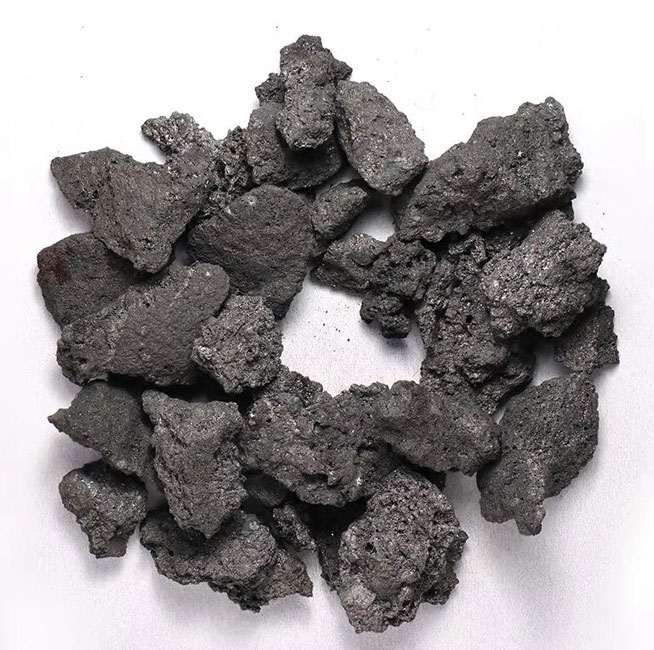
Graphite electrodes are the key component of the electric arc furnace (EAF) that melts scrap and other raw materials in the steelmaking process. They are required to maintain a high current and provide the heat needed to conduct steelmaking operations. The high electrical conductivity and thermal expansion resistance of these electrodes are the result of their unique acicular structure. Consequently, the production of these high-performance electrodes requires the use of specialty coke with strict specifications. Calcined coke is made by baking raw petroleum coke (known as green coke) in a rotary kiln to remove volatile impurities and to improve its fixed carbon content. This results in a higher quality, more stable coke with reduced resistivity and thermal expansion that makes it ideal for the EAF process.

 English
Write a Message