
Petroleum coke, a byproduct of oil refining that’s used to make carbon electrodes in the aluminum industry and as fuel in power plants, is also used to produce graphite electrodes for steel production. Its low sulfur content, efficient reducing properties and heat generation capabilities make it an essential ingredient in the steel production process. However, its use is not without environmental implications. It contributes to global warming and air pollution, so the industry is constantly adjusting its processes to minimize its carbon footprint and align with sustainability goals.
The first step in preparing petroleum coke for industrial use is to dry it out. This ensures that it doesn’t contain too much moisture, which can cause undesirable reactions. This is usually done by calcination. During this process, the coke is heated at high temperatures to remove its volatile components. The resulting calcined petroleum coke is less volatile, allowing it to be used in demanding industrial applications.
It’s important to test the resulting calcined petroleum coke before using it for production purposes. This ensures that its metal, sulfur and carbon concentrations are at a safe level to protect the equipment of your plant and the environment. It can also help you determine if the material meets quality standards and is ready for commercial sales.
To further improve its quality, the calcined petroleum coke is densified to reduce its porosity. This makes it more compact and enhances its energy density. It’s also more easily handled and transported. This is especially helpful in the aluminum industry, where the coke’s low impurity content and uniform particle size are vital for reducing power loss in the electrolytic production process and increasing efficiency.
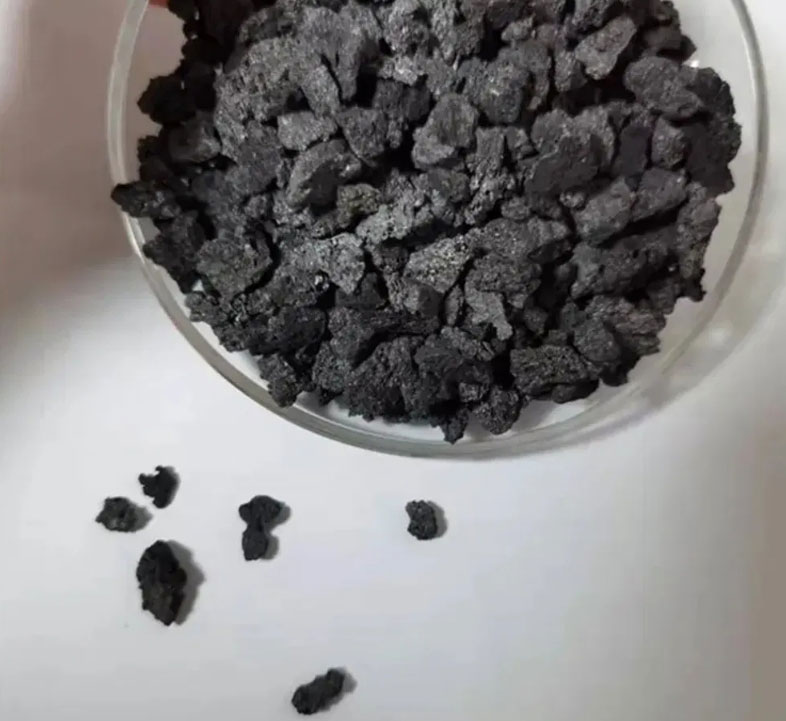
Aside from its utility as an energy source, petroleum coke is also an excellent raw material for producing titanium dioxide. This white pigment is widely used in paints, plastics, paper and other coatings. However, its production process requires a high-quality calcined pet coke that’s low in impurities and ash content.
Another specialized use of petroleum coke is as a raw material for producing silicon carbide. This highly durable substance is used to produce many different chemical products, including cast iron, stainless steel and glass. It has a high melting point, enables easy machining and is resistant to corrosion. It’s also a popular choice for making casting cores, which are used in various metal production processes.
In spite of its environmental impact, petroleum coke’s versatility and affordability make it an indispensable part of the steel industry. Although the industry is looking for ways to minimize its carbon emissions, it will continue to rely on this fossil fuel until alternative energy sources become more widespread.

 English
Write a Message