
Petroleum Coke (or Petcoke) is a carbon-rich solid byproduct of petroleum refining that has numerous industrial applications, including in aluminum smelting and steel making, as well as in cement kilns. It is also used as fuel in power generation. In the United States, more than 1.5 million tonnes of Petcoke are used by major utilities.
Coke is produced from thermal cracking, delayed coking or catalytic cracking of petroleum residua and is characterized by its high carbon content (95%+ w/w) with hydrogen, sulfur and nitrogen. It has a distinctive honeycomb appearance.
The coke is used to remove oxygen from iron ore in the Bessemer process and then the steel is made in a continuous casting and rolling operation that produces semi-finished products such as blooms, slabs, rails and H or I beams. The final product is then subject to heat treatment, which can include annealing and quenching, or other processes such as forging, cold rolling, drawing and galvanizing.
A significant portion of the energy required to produce steel is supplied by burning Petcoke in a boiler. Compared to coal, Petcoke has lower emissions, and its higher calorific value makes it a desirable source of energy. However, its high sulfur content and metal concentrations — particularly vanadium and nickel — can present issues in power plant operations.
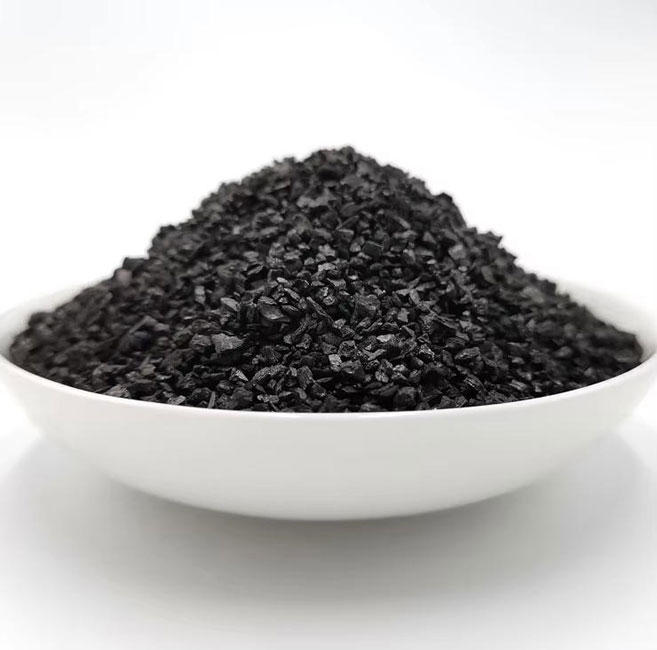
Several innovations have been developed to reduce these limitations and enhance the utility of petcoke in the power industry. For example, the calcining of green petcoke to produce anode coke for aluminium production can remove metal contaminants and result in a higher calorific value. The coke can also be fed into a gasifier to eliminate sulfur and other impurities before use in the Bessemer furnace.
In addition, there are a number of specialized grades available for specific uses in the aluminium, steel and graphite electrode industries. These range from needle coke for high-grade graphite to sponge and shot coke for carbon inserts in steel smelting. Generally, these specialised grades are refined to meet precise specifications for the various applications, such as sulfur
The future role of petroleum coke will be determined by ongoing innovation and adaptation to balance the needs for a safe, stable energy supply with the requirements of global sustainability goals. Increasing efficiency, advanced emission control systems and carbon capture technologies will all contribute to maximizing the value of this important byproduct while minimizing environmental impacts. This will ensure that petroleum coke remains a critical component of the global steelmaking industry in the years to come. This will require a combination of creativity, adaptability and industry cooperation to achieve.

 English
Write a Message