
Petroleum Coke is a carbonaceous solid fuel derived from the refining of crude oil. It is produced during the coking process, where the heaviest fractions of crude oil that cannot be converted into lighter petroleum products like gasoline or diesel are heated to high temperatures in an oxygen-free environment. The long hydrocarbon molecules in the residual fractions break down, producing light gases and liquids as well as a solid residue called petroleum coke.
Petroleum coke is an important raw material used in steelmaking. It acts as a reducing agent in blast furnaces, helping to turn iron ore into molten metal by taking the oxygen out of the ore. In addition to its role as a reducing agent, petroleum coke is also used in the manufacture of refractory materials. Its resistance to oxidation and thermal stability make it suitable for use in furnaces and other equipment that must withstand high temperatures.
There are several different types of petroleum coke, and their characteristics depend on how they were processed during production. They can be categorized according to their physical parameters, such as density, porosity and resistivity. Additionally, they can be classified by their vapor pressure and volatile matter content. The vapor pressure of petroleum coke is directly related to its calorific value, while the volatile matter content can influence its reactivity and the reaction processes it undergoes.
The most common use of petroleum coke is for fuel. Fuel grade petcoke is burned in industrial boilers to produce heat and steam for various processes. Its low ash content and high carbon content makes it a desirable fuel source, especially since it is less expensive than coal. In addition, it is a more environmentally sustainable option than natural gas because it produces significantly fewer greenhouse gases.
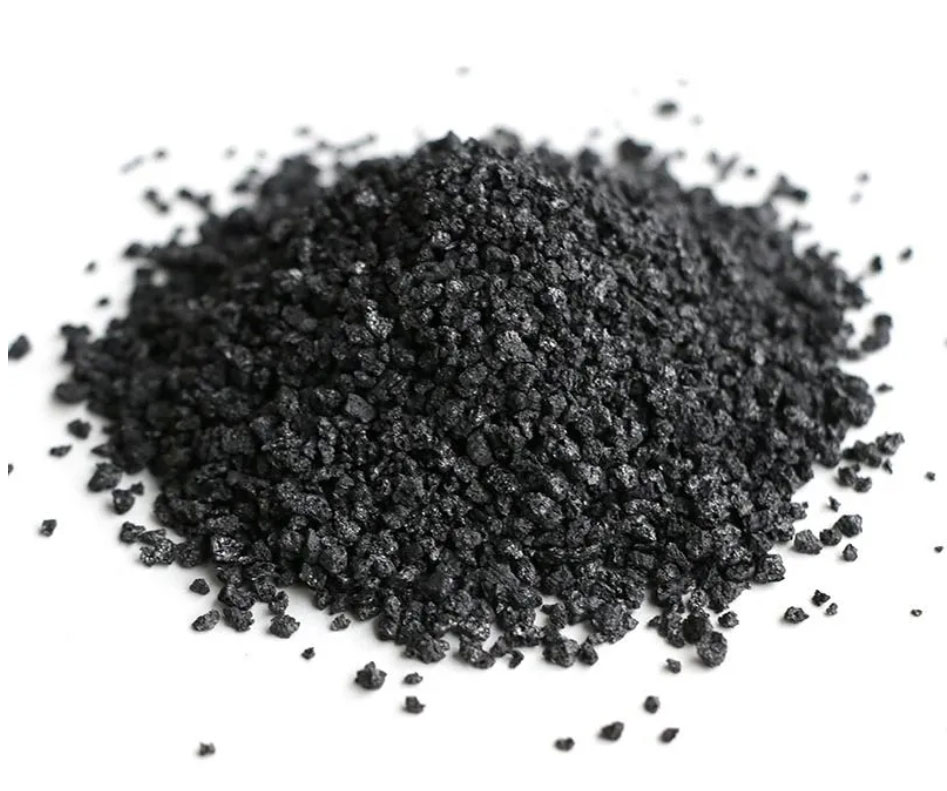
Another application for petroleum coke is in the production of graphitized petroleum coke (GPC), which is added to electric arc furnaces (EAF) as a carbon additive during the steelmaking process. GPC increases the carbon content of the molten metal, which is essential for forming it into strong, shapeable and durable steel products.
Lastly, calcined petroleum coke is used as an additive in cement kilns, where it helps to maintain stable combustion and prevents excessive sulfur content in the final product. Compared to other carbon sources, such as brown coal and natural gas, calcined petroleum coke offers the advantage of being less polluting and possessing a higher calorific value.
In steelmaking, the most important function of petroleum coke is to act as a reducing agent in the blast furnace, turning iron ore into molten metal by removing oxygen from it. This is done by heating the mixture with a low-oxygen fuel such as coke, which transforms into carbon monoxide and hydrogen when burned. This reduces the need to use additional reducing agents such as magnesite, silicon carbide or natural gas and helps to improve energy efficiency and overall steelmaking productivity. In addition, it plays a crucial mechanical role by ensuring optimal flow of the molten iron and slag through the sintering process.

 English
Write a Message