
Graphite Petroleum Coke (GPC) is an essential carbon component in the production of cast iron and steel. It can improve the quality of cast iron and decrease its impurity levels, lowering production costs and increasing casting performance. It can also be used as a fuel for steelmaking and to generate electricity, providing an alternative to coal and improving energy efficiency and environmental sustainability.
The GPC market is being shaped by increased industrial demand, shifts in regulations toward sustainable coke production methods, and technological advancements in carbon material processing. These trends are creating a new opportunity for specialty coke products like Needle Coke, Graphitized Petroleum Coke, and other ultra-high purity carbon materials that serve a wide range of industries.
Specialty cokes are critical in a number of applications including foundry, aluminum smelting, and electric arc furnace steelmaking. They are also an important ingredient in batteries, crucibles, lubricants, and foundry facings. The growth of lithium-ion battery manufacturing is driving demand for high purity GPC that can deliver superior electrical conductivity and structural stability.
NETL and collaborators are working to develop a technology that converts low-grade petroleum coke into graphite, a crucial critical mineral needed in the production of many high-value energy and consumer products such as batteries, cement, and polymer composites. This breakthrough could significantly reduce the cost and time it takes to produce graphite from petroleum coke.
A petroleum residue is a dark, solid byproduct of oil refining that contains a large amount of volatile hydrocarbons and a lower concentration of nitrogen, sulfur, oxygen, and metal elements than crude oil. The composition of a petroleum residue can vary depending on the conversion method used: thermal cracking, catalytic cracking, cooking, deasphalting, and hydroprocessing. Each conversion method produces a different type of petroleum residue that has unique properties, which are defined by the degree to which the residual components have been reduced (Ramos Fernandez et al., 2010).
Non-graphite petroleum coke has a complex crystal structure and is highly impure, but it can be improved by calcining. Graphitized petroleum coke, on the other hand, has a more ordered crystal structure and is more like pure graphite. It is primarily used for producing anodes in aluminum smelting and for steelmaking electrodes, but it also has a range of other industrial uses.
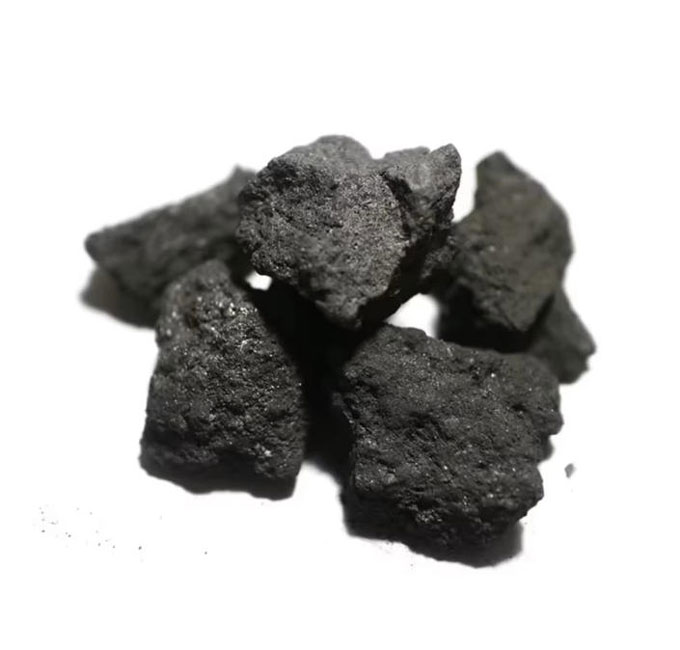
While there are several conversion technologies available to reduce the sulphur content of coke, only gasification is capable of achieving the zero residue target of refineries and offers significant operational benefits compared to conventional cyclone, PC, and fluidized bed boilers. Unlike thermal cracking, catalytic cracking, and cooking, which only reduce the bottom volume of the resulting slurry, gasification allows the entire residue to be converted into useful products without compromising product quality or yield.
NETL is developing a technology to turn this repurposed byproduct into an even more valuable product: high-purity, amorphous carbon for use in lithium-ion batteries and other applications that require heat resistance and exceptional electrical conductivity. The technology is based on a process called catalytic graphitization, which uses iron-based catalysts to change the carbon in petroleum coke into graphite through a vapor deposition/solidification approach. The team is working with partners at Texas A&M University and Oxbow Carbon to scale up the process.

 English
Write a Message