
The use of petroleum coke as a carbon source in the steelmaking process has long been a subject of debate, particularly over whether it is safe to use. While there are concerns about its impact on the environment, there are also several benefits to using petcoke in the production of steel.
Unlike coal, petcoke is a byproduct of the oil refining process and doesn’t have any combustible properties. Instead, it is used to provide the carbon and heat necessary for iron and steel manufacturing. This is because it has a higher thermal energy content and lower ash content than other fossil fuels, and it produces significantly less carbon dioxide when burned.
This makes it an attractive alternative to coal and other fossil fuels for power plants, since it produces fewer emissions while still providing the same amount of energy. It can even be combined with renewable energy sources to further reduce emissions and boost the performance of the power station.
The Role of Petroleum Coke in Steelmaking is significant, as it provides the carbon and heat necessary to convert iron ore into molten steel. Without it, the blast furnace wouldn’t function properly, and steel production would be much slower. In addition, petcoke has a high carbon concentration, which increases the quality of finished steel products. This makes it an excellent raw material for electric arc furnaces, which require high-power graphite electrodes to function effectively.
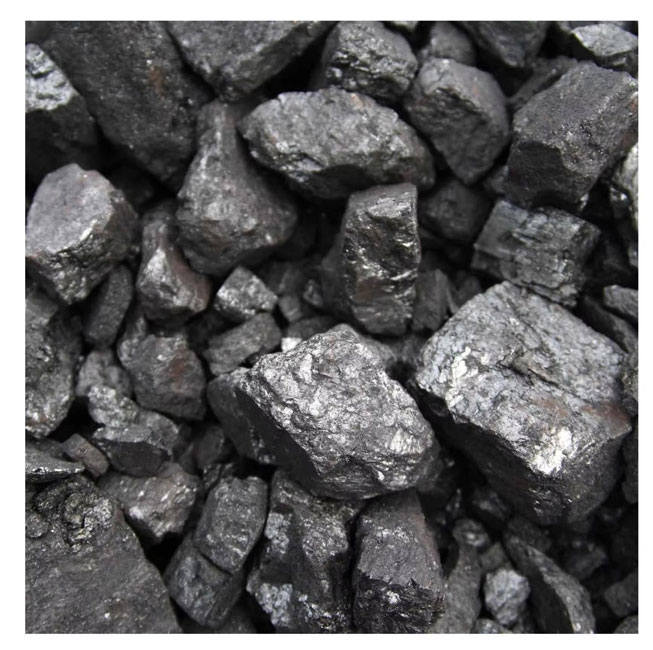
Getting the best possible performance from petroleum coke requires careful attention to the manufacturing and storage process. The coke must be densified, or heated in a controlled environment to remove all volatile matter and improve consistency. After this, it must be cooled. This is done to stop any chain reactions and prevent degradation of the CPC. Finally, it must be stored in a dry environment to protect it from moisture and other contaminants that can affect its performance in different uses.
When the calcined petroleum coke is ready for its final use, it must be carefully tested to ensure that it meets all the industry’s criteria. This testing includes physical inspections and chemical analysis. It is also important to keep the coke in a dry environment during storage and shipment to prevent damage.
Another way to test the strength of petroleum coke is through shatter and drum tests. These tests measure the postreaction strength of the coke, which is a direct indicator of its ability to perform well in the steelmaking process. It is essential that the coke is strong enough to withstand the intense pressures of tons of metallic ore being piled on top of it during the smelting process. Insufficient strength could lead to brittle coke that cannot withstand the load and risk a safety hazard. However, if the coke is weaker than required, it may be possible to add a substance such as alumina to increase the strength. This is a common practice in many countries.

 English
Write a Message