
Petroleum Coke is a byproduct of oil refining that comes from thermally cracking residual heavy crude oils. It is a solid carbon residue that contains less than 2% volatiles and is primarily composed of fixed carbon. It is used in a variety of industrial applications including power generation, cement production and metal smelting.
The vast majority of the Petroleum Coke produced globally is through delayed coking, which involves heating the residual heavy crude oils in a coking unit and cracking them thermally to produce lighter products. It can be batch or continuous and operates in the late stages of oil refinery processing. The coking process can be run in a variety of ways from conventional thermal cracking to more advanced hydrocracking technologies.
Coke has a low ash content and high energy density, which makes it suitable for a range of power generation applications. It is also an excellent substitute for coal in power plants that are designed to burn it. In addition, it is a critical raw material for the steel industry.
In the steel production process, petroleum coke provides a large amount of the carbon needed to make high-quality steel. However, it needs to be purified and processed to remove the sulfur found in it. Currently, the most popular way to do this is through a coke gasification process that produces synthesis gas, or Syngas, which can be used for a number of purposes.
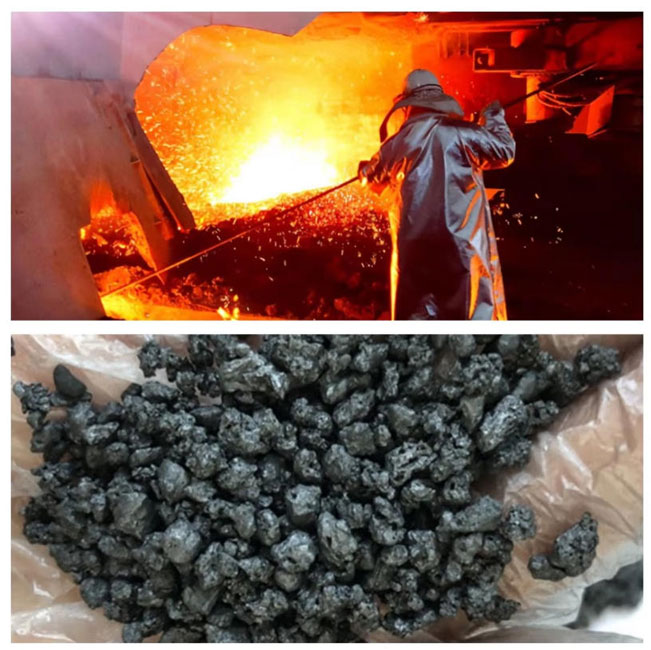
Regulatory agencies around the world impose strict environmental regulations and carbon-emission standards that refineries are responsible for monitoring and adhering to. These strict standards can impact a variety of processes throughout the refinery, including the production and use of Petroleum Coke. This is why it is imperative that the entire industry works together to find new and innovative solutions.
As the demand for sustainable and lower-emissions replacements to traditional fossil fuels grows, understanding the entire Petroleum Coke production process is essential. The ongoing development and adaptation of new methods will determine how much longer the industry will rely on this byproduct of oil refining.
The demand for PetCoke is growing in many markets, including those that require low sulfur and high carbon content, such as power generation and cement manufacturing. It is also an important raw material for the aluminium industry. Graphite anodes are used in the electrolysis process that converts alumina into aluminum, and calcined petroleum coke is essential for their production. Despite the potential headwinds of environmental regulation and carbon-emission standards, new innovations in the supply chain are promising to shift this byproduct from one that is viewed as wasteful, into one that sustains our industrial landscape. This will be vital for maintaining future growth and ensuring sustainable production of this resource in the long term.

 English
Write a Message