
Graphite Petroleum Coke (GPC) is a high-quality carbon byproduct of oil refining that has an important role to play in the steel manufacturing process. It has excellent electrical conductivity, thermal conductivity and lubricity properties. It is used as a substitute for natural graphite in many industrial applications, such as production of carbon anodes for the aluminum smelting industry and as a fuel in electric arc furnace steel production. It is also widely used in the manufacture of brake pads and friction materials.
The GPC production process starts with heating the raw petroleum coke in a delayed coking unit, known as a melter gasifier. The quality of the coke depends on the temperature and pressure during coking as well as other factors like moisture and impurities. The coke that comes out of this first phase is called green petroleum coke, and it can be either fuel-grade or anode-grade depending on the sulfur and metal content. Fuel-grade coke is burned in boilers and furnaces to produce electricity, while anode-grade coke is used to make carbon anodes for the aluminum smelting process and as fuel in electric steel furnaces.
The next stage in the Graphite Petroleum Coke in steel manufacturing process is the calcination of the green coke in a rotary kiln. This eliminates the volatile components of the petcoke, increasing its carbon content and material density. After calcination, the coke is called calcined petroleum coke or CPC. It is then used in the anode baking oven to produce anodes for the aluminum smelting and steel production industries. The CPC can also be processed further to produce coal-based needle coke, or NCPC, and petroleum-based needle coke, or PPC.
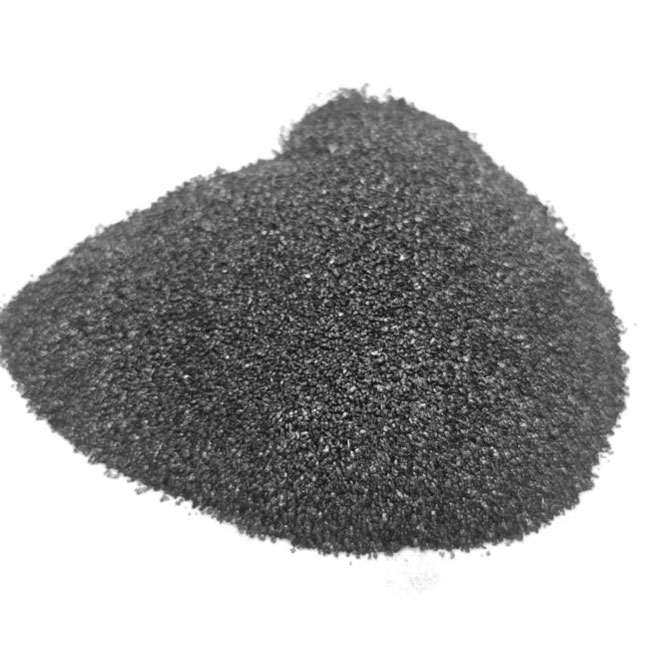
These premium petroleum cokes are also used in the production of graphite electrodes for electric arc furnace steel production, as they have low sulfur and superior conductivity. They also have a lower coefficient of thermal expansion and can resist the high corrosive environment in the steel melting process.
In the final step of the process, the calcined petroleum coke is compacted under pressure. This increases the coke's density, making it more useful in industrial applications. It also improves its flowability, which allows it to be easily transported and handled.
Graphitized petroleum coke has a more orderly crystal structure than ordinary non-graphite petroleum coke. The carbon atoms are arranged in layers with weak interlayer pressure, resulting in a highly flexible and conductive material. It is also very stable, which is a requirement in the aluminum smelting process. Graphitized petroleum coke is used in anodes for aluminum electrolytic cells because of its lower resistivity and higher power efficiency. Its good chemical stability can also reduce power loss and extend anode life. The use of graphitized petroleum coke in the steel manufacturing process also helps to increase the final steel products' strength and durability. In addition, it also helps to decrease the environmental footprint of the steelmaking process by reducing the need for other sources of raw materials.

 English
Write a Message