
Steel making process requires high quality graphite petroleum coke which is an indispensable raw material for the production of graphite electrodes used in electric arc furnaces (EAF). This byproduct of oil refining contains significant amounts of carbon. Its low ash content, relatively low cost compared to coal and wide availability make it a preferred feedstock for energy generation, cement kilns and power plants. Moreover, it is also utilized as a fuel for powering locomotives and trucks. Its high thermal and electrical conductivity contribute to its use in pencils, lubricants, crucibles, foundry facings, polishes and brushes for electric motors.
Petroleum coke has several types, depending on its morphology and production method. Among them, the lowest value fuel coke (CK-1a, CK-2a and CK-3a) is produced by coking low-quality vacuum residues such as Fluid Catalytic Cracker decant oil. The highest value anode grade coke (CK-1b, CK-2b and CK-3b) is obtained by coking high-quality aromatic feedstocks. The smallest particles, referred to as needle coke (CK-1c and CK-2c), have a sponge or honeycomb-like morphology. Larger particles, referred to as flake coke, have a brittle, layered structure.
The different types of petroleum coke are differentiated by their processing, physical and chemical properties and applications. Graphitized Petroleum Coke (GPC) is derived from raw petroleum coke by heating it to extremely high temperatures in the absence of oxygen, a process known as calcination. This results in the rearrangement of the carbon atoms within the crystalline structure of the coke, which is similar to that of graphite. It has a higher density and lower thermal conductivity than untreated CPC.
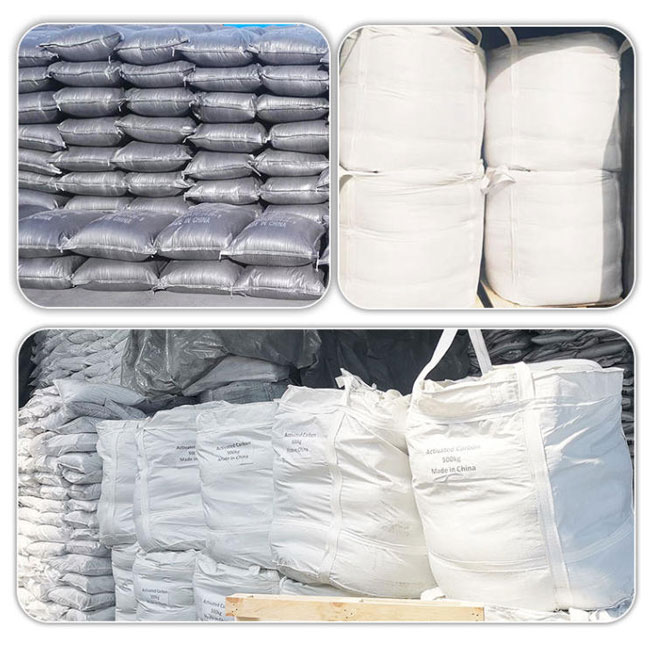
NETL has developed a new technology for producing GPC from CPC. The new process uses a specialized catalyst to speed up the chemical reaction, which substantially increases the electrical conductivity of the final product. It also provides more control over the quality of the product and the ability to produce custom grades for specific applications, including Li-ion battery electrodes.
GPC can be recycled in the same manner as petroleum coke, which helps reduce waste and resource extraction and consumption. This is a part of a growing movement towards circular economies, which seek to minimize ecological disruption through sustainable practices. These include promoting transparency in the supply chain, ensuring ethical labor practices and supporting communities where resources are extracted.
This technology will improve the quality of raw materials for steelmaking, increase the productivity of metallurgical processes and help achieve energy efficiency goals. It will also reduce environmental impacts by reducing the amount of fossil fuels required for energy production and decreasing the need for chemical additives to produce high-quality steel. Moreover, it can enable domestic supply chain security for the nation’s graphite needs and provide opportunities to divert other GPC streams away from high-emissions uses. The technology is expected to be ready for commercialization by 2020. Graphitized Recarburizer can be applied to other coke-derived products, such as calcined coke and anode materials for lithium-ion batteries. It can also be used to upgrade other non-graphite petroleum coke streams to higher-value, value-added products, such as slurry oil and calcined anode materials for aluminum smelting.

 English
Write a Message