
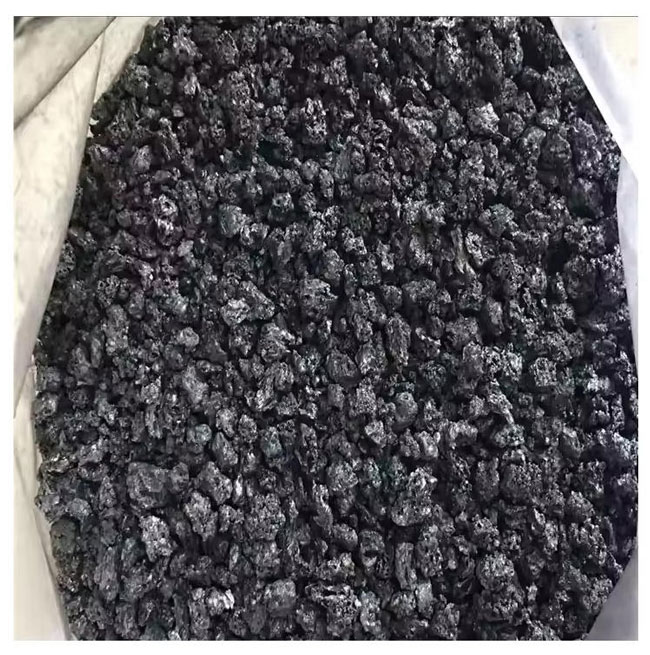
Although prebaked anodes typically use coal tar pitch coke, Graphite Petroleum Coke for Aluminum Smelting finds niche applications in specific contexts, such as cathode blocks or recarburizers in secondary aluminum processing. In primary smelting, GPC’s high purity and graphitic structure contribute to the electrical conductivity of cathode pastes, ensuring efficient current distribution across the cell bottom. This minimizes voltage drop and energy consumption per ton of aluminum produced. For secondary aluminum melting, where scrap is remelted, Graphite Petroleum Coke for Aluminum Smelting acts as an effective recarburizer to adjust carbon content if necessary, though aluminum does not absorb carbon like iron. More commonly, it is used in the production of graphite-cathode blocks for Hall-Héroult cells. The low ash and sulfur content of GPC prevents contamination of the molten aluminum, which is sensitive to impurities that affect alloy quality. Producers value GPC for its ability to withstand the corrosive cryolite bath and high temperatures inside electrolytic cells. Consistency in particle size aids in the compaction and baking processes of cathode blocks. As the aluminum industry focuses on reducing carbon footprints, using high-efficiency materials like GPC helps optimize energy use. Suppliers must ensure that Graphite Petroleum Coke for Aluminum Smelting meets strict specifications for resistivity and mechanical strength. This specialized application underscores GPC’s versatility beyond steelmaking, supporting lightweight metal production with reliable, high-performance carbon solutions that enhance both quality and operational economics.

 English
Write a Message