
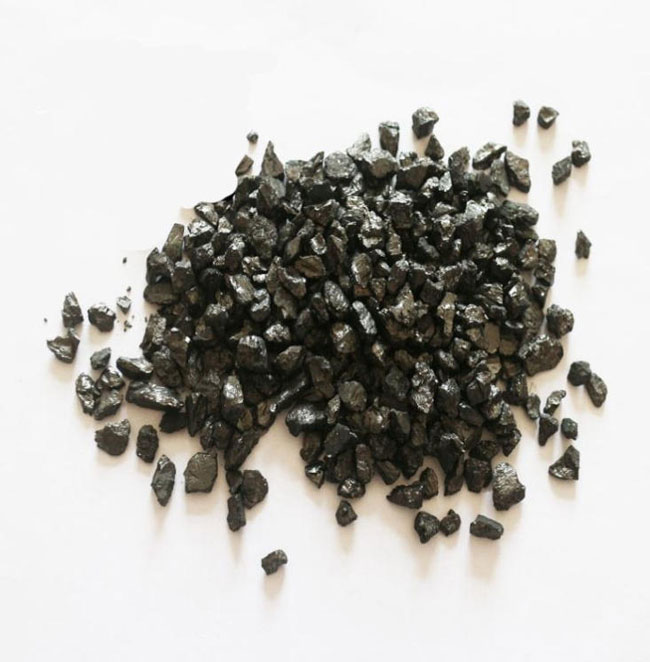
Understanding the Graphite Petroleum Coke Production Process reveals the complexity behind creating this high-value industrial material. The journey begins with delayed coking units in oil refineries, where heavy residual oils are thermally cracked to produce green petroleum coke. This raw coke is then sent to calciners, where it is heated to 1,200–1,400°C to drive off volatile matter and moisture, resulting in calcined petroleum coke (CPC). For GPC, the CPC undergoes a second, more intense stage: graphitization. In electric resistance furnaces, temperatures exceed 2,500°C, causing the disordered carbon atoms to rearrange into a hexagonal crystalline lattice. This Graphite Petroleum Coke Production Process is energy-intensive but essential for achieving the material’s signature properties: high purity, low resistivity, and thermal stability. After graphitization, the material is crushed, screened, and classified into various particle sizes to suit specific applications, such as electrode aggregates or recarburizers. Quality control checks involve X-ray diffraction to confirm graphitization degree and chemical assays for sulfur and ash. Impurities are minimized through careful feedstock selection and washing steps. The entire Graphite Petroleum Coke Production Process requires precise temperature control and atmosphere management to prevent oxidation. Innovations in furnace design aim to reduce energy consumption and carbon footprint. For buyers, knowing this process helps assess supplier capabilities and product consistency. A robust production line ensures that every batch of GPC meets stringent metallurgical standards, supporting reliable performance in downstream steel and alloy manufacturing.

 English
Write a Message