
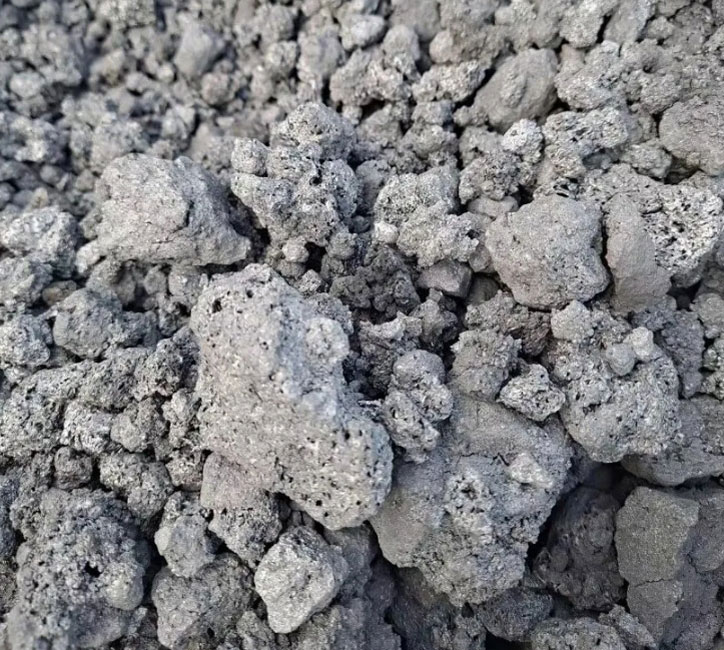
In the pyrometallurgical route of copper production, Graphite Petroleum Coke for Copper Smelting serves primarily as a fuel and reducing agent in flash smelting or reverberatory furnaces. Copper concentrates contain sulfides that require high temperatures to matte and slag phases. GPC provides a concentrated source of carbon that helps maintain the reducing atmosphere necessary for efficient copper recovery. Its high fixed carbon content ensures complete combustion, generating the heat required for the endothermic reactions involved. Moreover, the low ash content of Graphite Petroleum Coke for Copper Smelting minimizes slag volume, facilitating easier separation of copper matte from gangue materials. Excessive ash can increase viscosity, hindering fluidity and leading to operational upsets. Sulfur in GPC is generally acceptable or even beneficial in small amounts, as copper smelting inherently handles sulfur dioxide emissions, which are captured for acid production. However, consistency is key; variable coke quality can disrupt furnace stability. Smelters prefer graded GPC that flows smoothly into injection systems, ensuring uniform distribution in the reaction shaft. The thermal stability of graphite structures allows GPC to survive partial oxidation, contributing to sustained heat release. By optimizing the use of Graphite Petroleum Coke for Copper Smelting, facilities can improve copper yields, reduce fuel costs, and enhance environmental compliance through better control of exhaust gases. Reliable supply chains for high-quality GPC are therefore integral to the economic viability of modern copper smelting operations globally.

 English
Write a Message