
The use of high carbon Petroleum Coke reduces the amount of coal used in Steel manufacturing, thereby reducing CO2 emissions. However, the production of Coke itself is an environmentally damaging process that produces large amounts of sulphur dioxide. Sulphur dioxide is a dangerous pollutant that can cause respiratory problems, asthma and even death. The steel industry is responsible for a significant amount of this pollution. To address this issue, the industry has implemented many technology solutions to reduce pollution. These include bag filters, electrostatic precipitators and gas treatment systems. These technologies have reduced air particulate matter and volatile organic compound levels. These systems also help to control ozone emissions. The steel industry has also begun to implement more water-efficient processes. These have been beneficial in decreasing the amount of water used and lowering wastewater discharge levels.
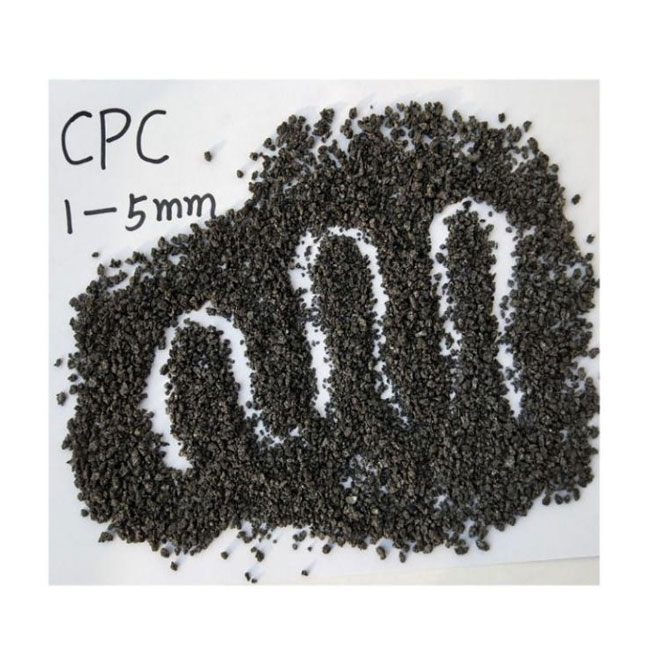
Coke is a rock-like byproduct of oil refining that contains a high percentage of carbon. It is a residue of a destructive distillation process that removes all but the heavier hydrocarbons from crude petroleum. The coke is heated in oxygen-deficient air kilns and furnaces to temperatures up to 2500°F. The volatile, high-heat hydrocarbons, residual water and sulfur evaporate. The result is a dense, rock-like calcined petcoke product that can be used in the smelting process for metals such as aluminum and iron and in steel production.
EPA’s regulations require that the facilities that produce this waste product (often referred to as “petcoke”) be identified in a list of sources requiring emission limitations or standards and that they submit emissions reports. These reports must be reviewed by EPA’s national ambient air quality monitoring network to determine whether there are health-related concerns. This is an important step towards reducing the pollution generated by this industry.
The smelting of raw materials such as iron ore and scrap metal produces a substantial amount of sulfur dioxide, as well as air pollutants like nitrogen oxides and carbon monoxide. The steel manufacturing industry can significantly reduce these emissions by installing gas capture systems that trap and burn the pollutants before they escape into the atmosphere. These systems can be installed on site or off-site, depending on the needs of a particular plant.
The steel industry should develop a comprehensive, ambitious decarbonisation roadmap. This should include specific, measured, five-year targets, aimed at net zero emissions by 2050. Other measures that can be taken by the steel industry include improving energy efficiency in plants and introducing renewable sources of power. This will increase energy efficiency and decrease the need for fossil fuels. It will also improve the economic viability of alternative, low-carbon steel making processes. It should also invest in a desulphurisation programme to eliminate the need for coking coal and petroleum coke by removing sulphur from the steel slag, tar and sludge. The performance data from these programmes should be submitted to the Central Pollution Control Board on a quarterly basis. This will enable the CPCB to revise and develop appropriate standards for these industries.

 English
Write a Message