
Petroleum Coke, also known as petcoke, is a carbon-rich byproduct of oil refining. It has a number of unique physical and chemical properties, and it plays an important role in many industrial fields. In this article, we will take a closer look at the types and characteristics of petroleum coke, its production process, and its extensive application fields. We will also explore how petroleum coke is made and its processing methods, and we will compare it with other carbon materials in terms of machinability and thermal conductivity.
The production of petroleum coke is a complex and energy-intensive process that begins with the distillation of crude oil. This produces a heavy residue feedstock that can be refined by cracking and other processes to produce fuels and chemicals. The remainder of the feedstock is then subjected to delayed coking reactions, where it forms petroleum coke. The coke is then used in various industries to manufacture products such as abrasives, fertilizers, and steel or aluminium.
In the steel industry, petroleum coke is used to enhance the carbon content of molten iron in the arc furnace steelmaking process. It can also be used as a substitute for coal in power plants to reduce the cost of electricity generation. In addition, it is used in the production of graphite electrodes, which are essential for manufacturing batteries for electric vehicles (EVs).
In fact, petroleum coke is one of the world's most important raw materials. However, it is important to note that this product can be life-threatening if not handled correctly. Therefore, it is important to follow safety precautions when handling petcoke and to regularly perform maintenance on equipment.
Unlike most coal, which is a soft and brittle material, petroleum coke is a hard and ductile material with high thermal conductivity and low vapor pressure. It has a bulk density of about 0.85 to 1.0 g/cm3, and it has a high percentage of carbon, oxygen, sulfur, and nitrogen. It is also free of ash and other contaminants, which makes it an attractive alternative fuel source for many applications.
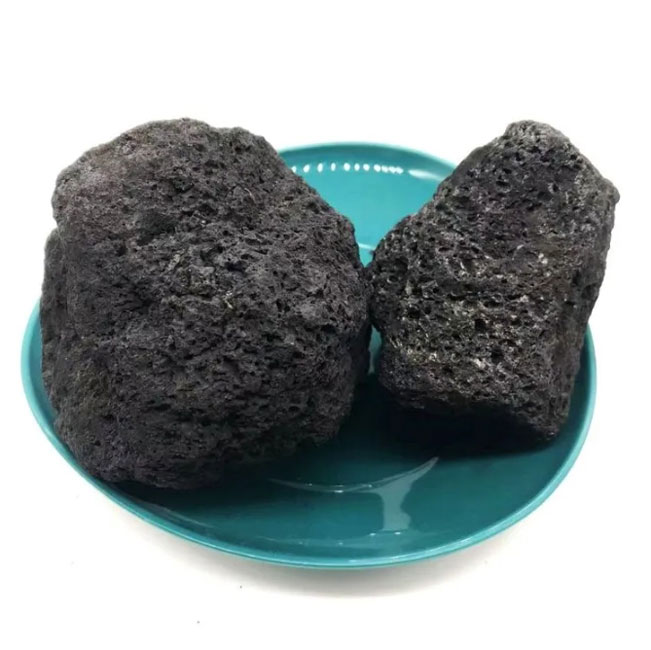
There are three types of petroleum coke: blocky sponge coke, needle coke, and calcined sponge coke. Blocky and needle coke are produced in two different ways: by delayed and fluid bed technologies, respectively. During the delayed coking process, petroleum coke is heated at high temperatures and pressures to form a hard, granular product. The product is then ground into a powder and classified by a powder selector; unqualified particles are sent back for regrinding until they meet the desired size specification.
Calcined sponge coke is a high-purity and low-sulfur form of petroleum coke that can be used to produce graphite electrodes, anodes, and other shaped products. It is highly conductive and resistant to corrosion. Moreover, it has a low melting point and high strength, making it an ideal choice for the production of abrasive and thermal-resistant products. Currently, it accounts for about one-third of the total petroleum coke production in the United States.

 English
Write a Message