
Petroleum coke (PGC) is a carbon-rich byproduct of oil refining that has unique properties that make it a valuable raw material for various industrial applications. It can be transformed into a highly ordered, crystalline graphite through a process known as graphitization. Graphitized petroleum coke has a high specific conductivity, low impurity content, and good chemical stability. It is an essential material for the aluminum industry, especially in electric arc furnaces, where its superior conductivity minimizes power loss and improves electrolytic efficiency. The material is also used to manufacture graphite electrodes for steel production. NETL is working with partners to develop advanced technologies that will enable us to extract value from this abundant and domestically available resource while enabling a secure, sustainable domestic supply chain.
Currently, a substantial fraction of the petroleum coke produced is converted to graphite through a multi-step process, which can be very expensive. This new technology, developed by NETL in partnership with Oxbow Carbon and Texas A&M University, uses iron-based catalysts to transform a wide range of petroleum coke grades into graphite without the need for complex refining processes. Graphitized petroleum coke has an excellent electrical and thermal conductivity, and is low in sulfur and nitrogen. The high specific conductivity of this product makes it a valuable substitute for coal in many applications that require low-sulfur, low-nitrogen fuels.
A special type of petroleum coke called “graphite fossil oil coke” (also known as calcined pet coke) has an obvious acicular texture, making it easy to distinguish from other types of pet coke by sight alone. This type of pet coke has low sulfur, lower nitrogen, lower ash and excellent electrical and thermal conductivity, among other characteristics. It is the only commercially-available raw material that can be used to produce ultra-high power graphite electrodes, an indispensable key material for the aluminum and steel industries.
The morphology and appearance of the petroleum coke depend on its origin, production process and impurities. In general, PGOC has a more brittle texture and a deeper color than green delayed petroleum coke, while oil needle coke presents a metallic sheen and more uniform appearance. PGOC has a higher density than other petroleum coke products, which is important for its storage, transportation and application.
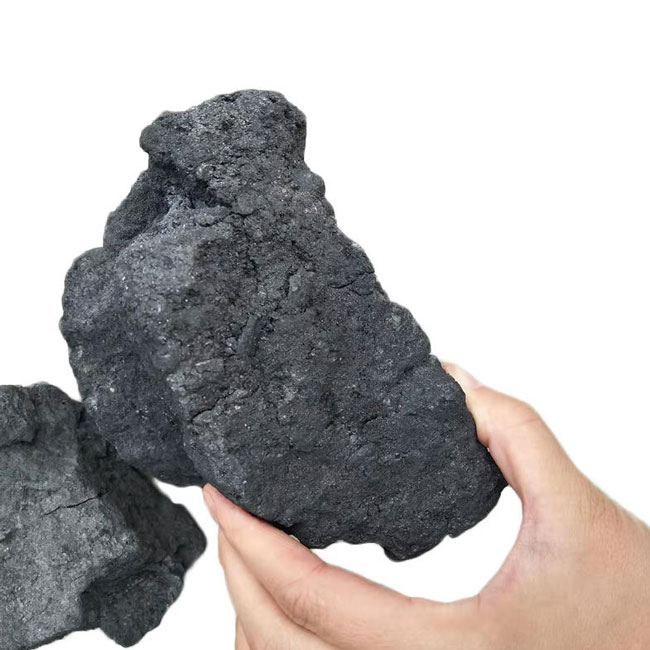
The main processing steps for the preparation of graphitized petroleum coke include calcining in a rotary kiln, crushing and mixing with coal-tar pitch to plasticize the granules into a green body, baking the green bodies through extrusion, vibration and isostatic pressing, rebaking and pitch impregnation to achieve desired bulk density, and finally, graphitization at high temperature. This transformation changes the crystal structure of the granules into a layered, orderly graphite lattice and reduces interlayer pressure to improve conductive properties. Graphitized petroleum coke also has a low sulfur content and low nitrogen, making it an attractive feedstock for a variety of applications in the aluminum and steel industries. The resulting products will not only enhance the quality of aluminum and steel products, but also provide more stable and reliable supplies of these critical minerals.

 English
Write a Message