
Petroleum Coke is a dark granular carbon material with high calorific value and low ash content. It is produced during the refining process of crude oil into petroleum fuels and other products. Its high carbon content, calorific value, and low ash content make it a suitable fuel for power plants, aluminum smelting, steel making, brick and cement industries, and other businesses that require industrial furnaces.
The production of petroleum coke begins with the extraction of crude oil from the ground by drilling. The crude oil is then transported to the refinery where it undergoes extensive processes, stages, equipment, and techniques for further processing into petroleum hydrocarbon derivatives such as gasoline, diesel, and kerosene. During the refining process, petroleum liquids are heated to extremely high temperatures and pressed under intense pressures. This separates the light and heavy petroleum products. The residues left behind are petroleum coke, tar sands, and other solids. The coke is used as fuel for power generation plants and in the manufacture of refractory materials due to its high thermal stability.
In the steel industry, petroleum coke is used as a reducing agent in blast furnaces to convert iron ore into molten steel. It also helps to lower energy costs, improve plant efficiency, and increase energy yield. In addition, calcined coke is used to manufacture refractory materials for use in extreme heat applications. The demand for this product has increased as many producers seek to maximize their energy efficiency and output.
Despite the numerous negative environmental impacts associated with its production and use, the market for petroleum coke is growing due to its cost effectiveness and importance as a carbon constituent in blast furnaces. In addition, a significant shift in energy policy has prompted the industry to develop new coking and upgrading units that are more versatile and capable of handling heavy sour crudes.
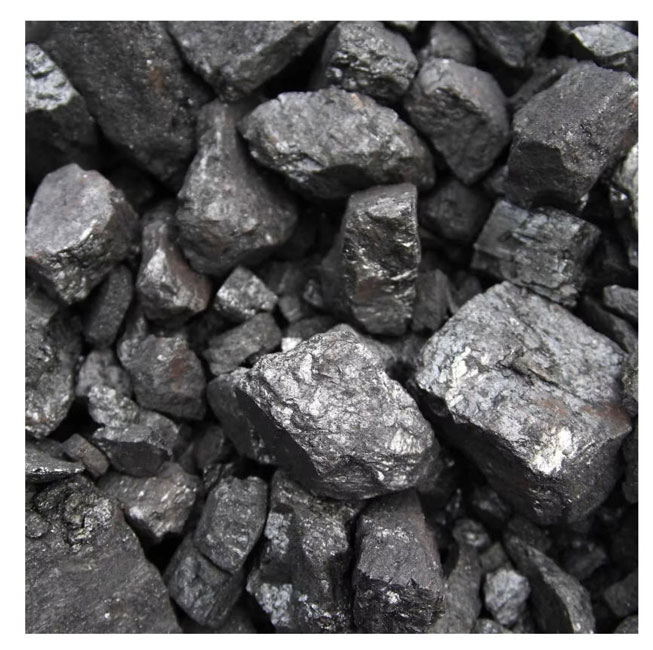
A primary challenge of using petroleum coke as a substitute for coal is that it requires pulverization before being used in a boiler, which presents logistical challenges. The combustion of pulverized petroleum coke can result in excessive smoke and dust that must be treated to meet environmental standards.
Another challenge is the volatility of prices for petroleum coke relative to other fossil fuels. This has made some utilities reluctant to adopt this alternative fuel, which is a key driver of the growth of the North America petcoke market.
As the market for petroleum coke expands, so does the need to address challenges such as a lack of infrastructure and a burgeoning emissions regulatory landscape. This is creating opportunities for players to innovate and adapt their operations, which will determine the role that this carbon fuel plays in the future of a clean-energy economy. As a result, the industry is changing at a rapid pace to better align with customer needs and address regulatory challenges. The key players in this industry include Exxon Mobil, Shell plc, Chevron Corporation, Saudi Aramco, and BP. The industry is highly competitive, which promotes innovation and fosters efficient operations.

 English
Write a Message