
Petroleum coke, also known as petcoke, is a solid byproduct of oil refining. It is made during a process called coking, where heavy crude oil residues are heated under controlled high-temperature conditions to transform some of the larger hydrocarbon molecules into smaller ones. The result is a carbonaceous material with low volatile content that is black in color. It also contains small amounts of sulfur, metals and non-volatile inorganic compounds.
The primary use for petroleum coke is as a fuel for industrial processes. It is used in metallurgy, petrochemical industries and other areas where fuel is needed for production. Due to its energy density, petroleum coke is a viable alternative to coal and provides many of the same benefits without the associated environmental hazards.
In metallurgy, calcined petroleum coke (coke) is used to produce graphite anodes for the electrolysis process that converts alumina into aluminum. The quality of the anodes is crucial to the efficiency and purity of the aluminum produced. Coke is a key raw material for the steel industry as well, where it plays a vital role in carbon reduction to make molten iron.
Another important application for petcoke is in the production of fertilizer. After being gasified, it can be used to produce ammonia and urea-ammonium nitrate, both of which are essential in the production of nitrogen. This helps to reduce the reliance on natural gas, which is often expensive and carries a high carbon footprint.
Due to its lower ash content, calcined petroleum coke can be used as an alternative to coal in the process of cofiring. This produces a clean and efficient burn while reducing the amount of ash that is generated during combustion. This reduces the burden on fans and conveyors as well as the need for slag removal.
When used in direct reduction, calcined coke is a useful energy resource to replace coal in the production of molten iron. This process eliminates or minimizes the formation of slag in comparison to traditional ironmaking with coal. In addition to lowering operating costs, it also decreases the need for additional chemicals in the ironmaking process such as fluxes and alumina.
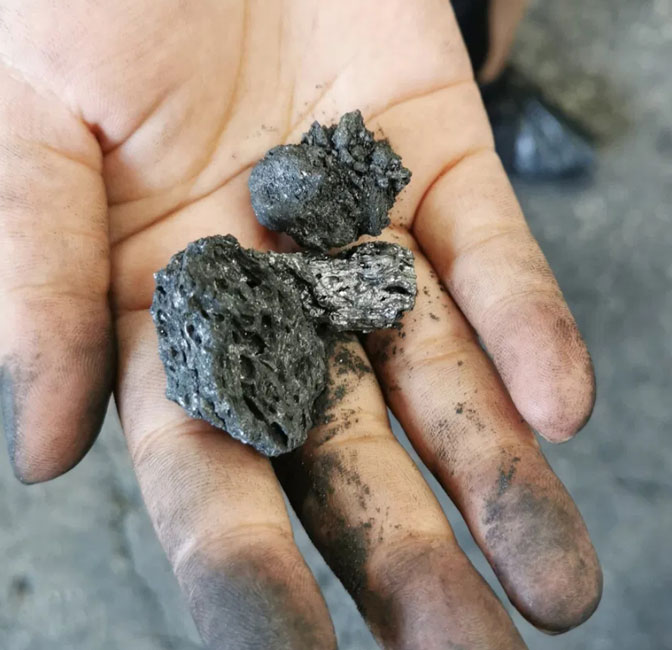
During the processing of petroleum coke, it is important to test samples regularly to ensure its usefulness, safety and quality. Testing ensures that the metal, sulfur and carbon content is at a safe level for the environment and industrial equipment. It is also a crucial step in ensuring that it can meet industry standards and be sold to clients. The test results can be compared to standard reference samples to identify problems and resolve them. In addition, testing can help determine the type of coke for use in a specific application. For example, a client may want to purchase only honeycomb or sponge coke for certain applications. In these cases, it is critical to only buy coke from a supplier that tests its samples regularly. The test results will indicate the type of coke and its quality, allowing the buyer to purchase the right product.

 English
Write a Message