
Petroleum coke is a critical byproduct of the oil refining process. It has unique properties that make it useful in multiple applications. It is used as a carbon source in blast furnaces to reduce iron oxide to molten steel, as fuel in power plants and cement kilns, and as a raw material in the production of graphite electrodes for aluminum industry use.
The high fixed carbon content, strength and thermal stability of calcined petroleum coke make it an important resource for metallurgical processes such as steel production. Coke acts as a reducing agent in blast furnaces, lowering manufacturing overhead costs and maximizing energy efficiency by converting more iron ore to molten metal with less oxygen than is possible without coking. The coke is also a valuable feedstock for the manufacture of refractory materials, which are necessary to control furnace temperatures and protect equipment from oxidation.
Coke can be burned alone in a simple cycle furnace or blended with other fossil fuels as an alternative to coal. It can also be used in the gasification of crude oil to produce synthetic natural gas (SNG) and as a raw material in the production, or refining, of gasoline.
In power generation, petroleum coke can be combined with coal or other fuels to improve boiler performance, efficiency and emissions. It has a higher calorific value than most fossil fuels, and can be cost competitive when compared to some pulverized coal (PC) blends. It is also a low-sulfur fuel and can be used in cyclone, PC, fluidized bed, or gasification type boilers.
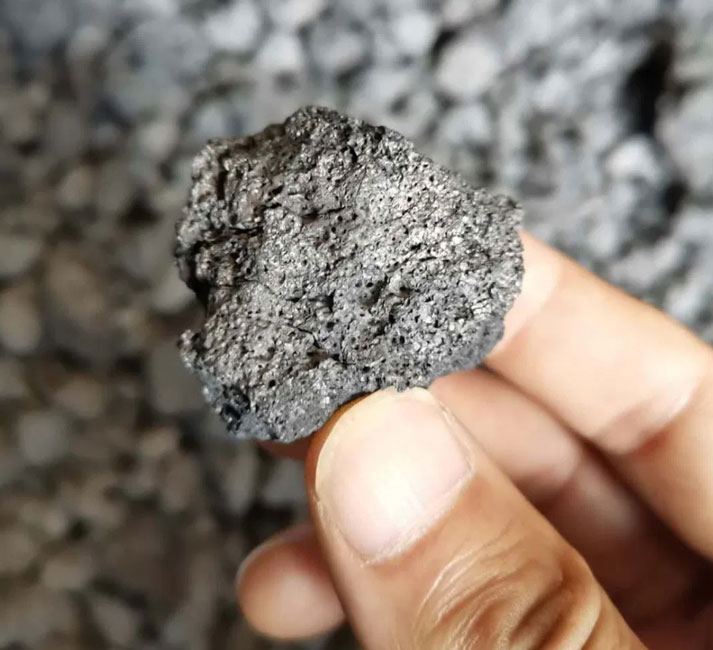
For a number of years, it has been common to add 5% to 40% petroleum coke to coal in the coking process to create metallurgical coke for use in blast furnaces. This practice increases the carbon content of the resulting coke, improves its mechanical properties and resistance to oxidation, and lowers its reactivity to release sulfur dioxide.
During coking, petroleum coke releases large amounts of greenhouse gases and other pollutants that contribute to air quality concerns. Coke is also a source of heavy metals, such as arsenic, cadmium, and lead that can have adverse health effects in humans. The combustion of calcined coke as a fuel in power plants and kilns releases fine particles that can impact air quality.
In a cofiring test conducted at the Bailly Generating Station, a blended fuel of PC, Illinois Basin and Western bituminous coals was combusted with varying percentages of petroleum coke, from 10% to 25% on a mass basis or 12% to 29% on a heat input basis. The results showed that the addition of petroleum coke did not negatively affect the boiler operational characteristics, slagging and fouling, or trace metal concentrations when compared to a 100% coal feed. In fact, the addition of petroleum coke reduced concentrations of some trace metals, while increasing concentrations of vanadium and nickel on a heat input basis. This is an indication that cofiring may provide a valuable option to address air quality concerns associated with coal use.

 English
Write a Message