
Graphite Petroleum Coke (GPC) is an essential component in the steel industry, and it plays a vital role as a carbon additive in the aluminum smelting process. GPC helps to control the carbon content of molten aluminium during the smelting process, resulting in higher purity levels and better mechanical properties. Furthermore, its consistent quality and uniform particle size distribution ensure stable processing conditions and energy savings.
Besides being a key ingredient in the manufacture of carbon electrodes and anodes, GPC is used for other industrial applications that require high-quality carbon. These include steelmaking and casting, as well as the production of carbon products, such as molded and cast graphite. GPC’s extremely low impurity content, including sulfur and nitrogen, minimizes emissions of sulfur dioxide and nitrogen oxide during industrial processes, contributing to cleaner and greener production practices.
In addition, GPC has a moderate density and thermal stability that make it ideal for a wide range of industrial uses. It can withstand elevated temperatures and maintain its structural integrity even when subjected to chemical erosion. It also possesses high resistance to corrosion and is compatible with a wide variety of chemicals.
Due to its superior thermal conductivity and carbon content, GPC is also a critical ingredient in the manufacturing of brake pads and friction materials for improved performance and durability. Its crystalline structure and pore-free surface help to improve the thermal efficiency of these materials, and its high carbon content enhances the strength and hardness of the final product.
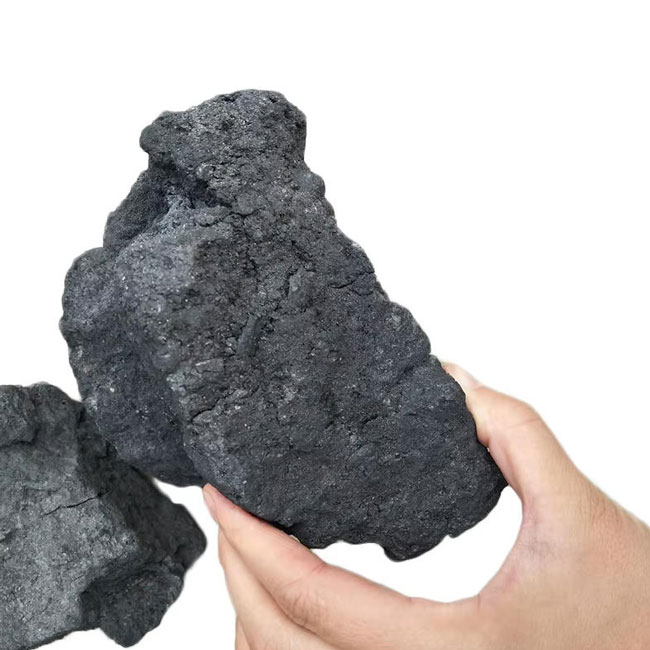
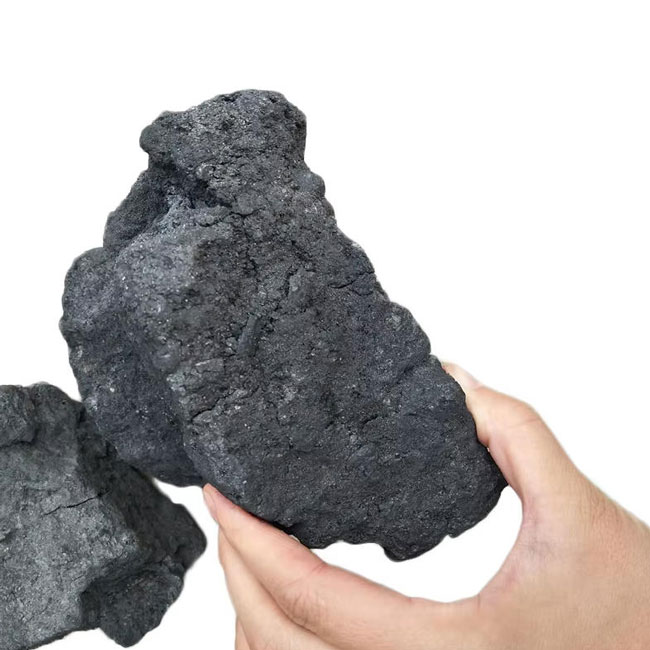
Unlike natural graphite, which is finite and limited in supply, GPC is an abundant source of high-quality graphitic carbon. It is produced either as blocky sponge coke from delayed cokers or in a shot size form as a result of fluid bed coking. Both types of coke can be converted into graphitized petroleum coke through a calcining process, with the result being high-purity calcined sponge or anode-grade coke with a unique acicular morphology.
The acicular nature of the calcined needle coke allows it to be further processed, through a graphitization process known as ECE (Exfoliated Catalytic Carbon Enhancement). This method of converting coke into graphene involves heating the material under vacuum in a graphitizing furnace to 750 degC and treating it with hydrofluoric acid. The resulting graphene is highly conductive and has a very high specific surface area.
The low ash content of GPC makes it an excellent source for carbon products such as electrodes and anodes. Its low volatile content prevents contamination during the smelting process, and its low nitrogen and sulfur content helps to maintain the high quality of these products. Furthermore, a low sulfur and nitrogen content reduces the risk of chemical reactions that may negatively impact the performance of these products. This makes GPC an ideal ingredient in metallurgical and foundry processes. Its superior thermal stability also helps to maintain a consistent temperature level in the steel melting pot, thereby ensuring optimal results. This is particularly important when producing high-quality stainless steel.

 English
Write a Message