
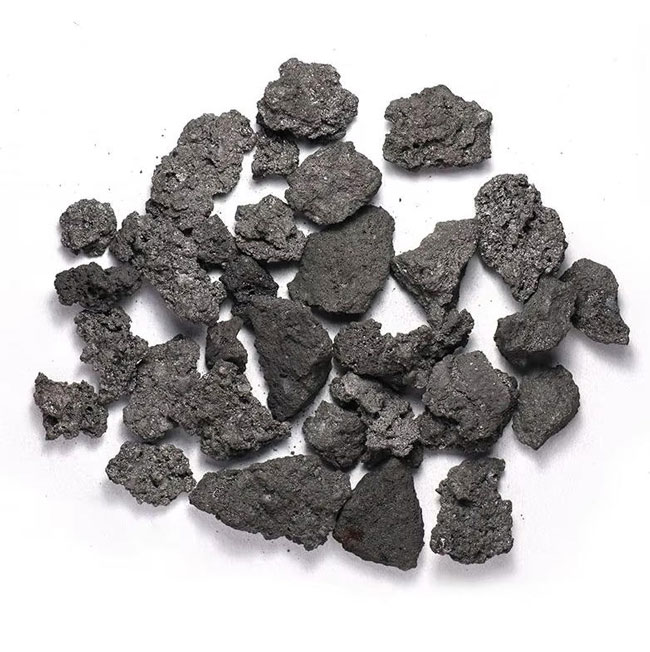
The use of Graphite Petroleum Coke in Carbon Electrodes is fundamental to the production of high-performance electrical conductors used in industrial furnaces. Carbon electrodes are critical components in Electric Arc Furnaces (EAF) for steelmaking and in submerged arc furnaces for producing silicon, calcium carbide, and ferroalloys. GPC serves as a primary aggregate material due to its exceptional graphitic structure, which provides low electrical resistivity and high thermal stability. When mixed with coal tar pitch binder and baked or impregnated, GPC particles form a dense, interconnected network that efficiently conducts electricity while resisting oxidation at extreme temperatures. The quality of Graphite Petroleum Coke in Carbon Electrodes directly influences electrode life and energy efficiency. High-purity GPC minimizes ash content, reducing the formation of weak points that can lead to premature breakage or spalling during operation. Furthermore, the crystalline orientation of graphite petroleum coke enhances mechanical strength, allowing electrodes to withstand the heavy loads and thermal shocks inherent in smelting processes. Manufacturers often blend different grades of GPC to optimize cost versus performance, ensuring the final product meets specific resistance and compressive strength standards. As demand for energy-efficient metallurgy grows, the role of premium GPC in carbon electrode manufacturing becomes increasingly vital. It enables producers to create longer-lasting, more reliable electrodes, thereby reducing downtime and operational costs for end-users in the steel and alloy industries. Selecting the right grade of GPC is thus a key strategic decision for electrode manufacturers aiming for market leadership.

 English
Write a Message