
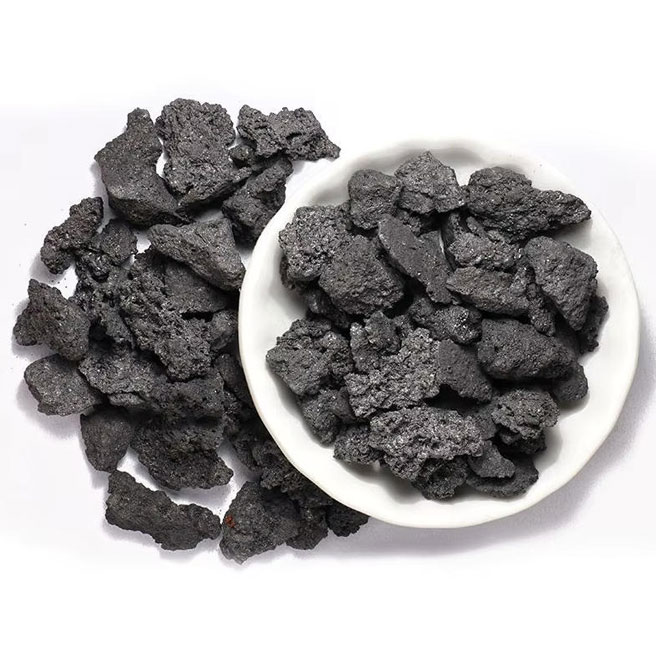
Securing favorable Graphite Petroleum Coke deals requires a strategic approach that balances price, quality, and supply reliability. In the global commodities market, GPC prices fluctuate based on crude oil costs, refining capacity, and regional demand from steel mills. To obtain the best Graphite Petroleum Coke deals, buyers should focus on building long-term relationships with reputable producers rather than chasing spot-market discounts alone. Volume commitments often unlock tiered pricing structures, where larger orders per shipment reduce unit costs significantly. Additionally, timing purchases during seasonal lulls in steel production can yield better negotiations. However, the lowest price does not always equate to the best deal. A truly valuable agreement includes strict quality guarantees, such as consistent fixed carbon levels above 98% and sulfur content below 0.05%, backed by third-party inspection clauses. Buyers should also consider logistics terms; FOB (Free On Board) vs. CIF (Cost, Insurance, and Freight) impacts total landed cost. Exploring alternative sourcing regions, such as emerging refineries in Asia or the Middle East, can reveal competitive opportunities outside traditional hubs. Negotiating flexible payment terms, like letters of credit with extended tenors, improves cash flow management. Ultimately, successful Graphite Petroleum Coke deals are those that ensure uninterrupted supply of high-purity material at a predictable cost, protecting margins against market volatility. Smart procurement involves continuous monitoring of industry trends, supplier financial health, and geopolitical factors affecting trade routes. By prioritizing value over mere price, companies secure a sustainable advantage in their metallurgical operations.

 English
Write a Message